
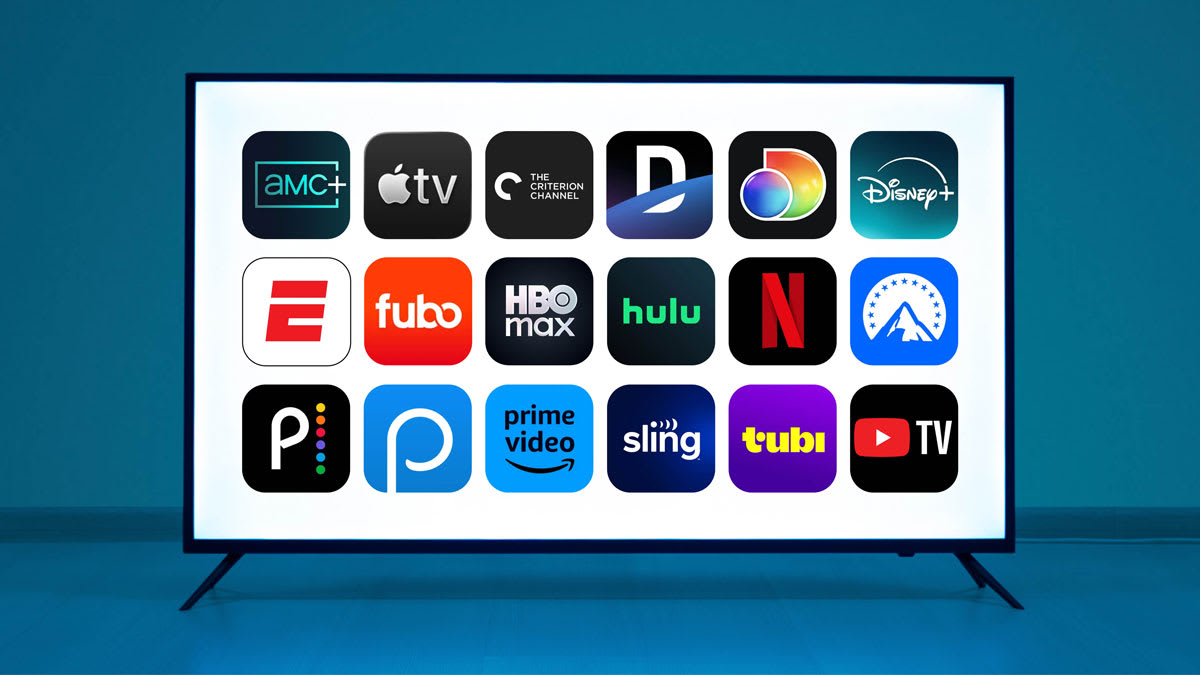
Subscriptions are one of the sneakiest budget killers of our time. From streaming services and music apps to meal kits and toilet roll deliveries, they pile up quietly — each one seeming harmless on its own, but devastating as a group. In fact, studies show that most people significantly underestimate how much they spend on subscriptions each month, with the average household shelling out over $1,000 per year without even realizing it.
The good news? You don’t have to cancel everything and go back to watching free TV with a pair of rabbit ears. With a few smart, strategic moves, you can slash your subscription spending and keep the services you actually love. Here’s exactly how to do it.
Do a full subscription audit first.
Before you can save money on subscriptions, you need to know exactly what you’re paying for. Most people couldn’t list all their subscriptions and prices off the top of their heads—and that’s not laziness; it’s by design. Autopay makes recurring charges practically invisible.
Here’s how to run a quick audit in under 15 minutes:
- Check your bank and credit card statements for the last two months and highlight every recurring charge. Search for keywords like “subscription,” “Apple,” “Google,” “PayPal,” or “Direct Debit” to catch hidden ones.
- Check your app store — open your Apple ID or Google Play account and review active subscriptions listed there. Many app-based charges only appear here and won’t show clearly on bank statements.
- Build a master list — write down every subscription, its monthly or annual cost, and the last time you actually used it.
- Label each one as Essential, Useful, or Wasted to quickly prioritize what to keep, downgrade, or cancel.
A useful mindset shift: instead of looking at the monthly price, multiply it by 12 and look at the annual total. A €10/month service costing €120/year suddenly feels a lot more significant—especially if you haven’t opened the app in three months.
Cancel What You Don’t Use
This sounds obvious, but most people keep subscriptions running on autopilot out of inertia. The simple rule is this: if you haven’t used a service in the last 30 days, cancel it. “I might use it someday” is not a good enough reason to keep paying for it month after month.
Be ruthless with:
- Free trials you forgot to cancel
- Apps you downloaded once and never opened again
- Boxes or product deliveries you signed up for impulsively
- Duplicate services (e.g., paying for both Spotify and Apple Music)
Once you cancel, redirect that money immediately into your savings account or toward a financial goal. Seeing the impact of even €20–€30 saved per month adds up to real money over a year.
Downgrade to a Cheaper Plan
Before cancelling a service you do use, check if there’s a cheaper plan available. Most major platforms now offer tiered pricing, and the lower tier often covers the majority of what you actually need.
The most common and effective option right now is the ad-supported tier. Nearly every major streaming service offers one:
- Netflix with ads costs significantly less than its premium plan
- Disney+ and Max both have lower-cost, ad-supported options
- Spotify offers a free tier with ads if you can tolerate interruptions
Yes, you’ll see some ads—but if it saves you €6–€10 per month per platform, that’s a worthwhile trade-off for most people. Test it for a month and see if it bothers you as much as you expected.
Rotate and Hop Between Services
One of the most powerful (and underused) strategies to save money on subscriptions is rotating between services instead of keeping them all active simultaneously. Since most streaming services and content platforms have no long-term contracts, you can subscribe, binge what you want, cancel, and move on to the next one.
Here’s how it works in practice:
- Pick one or two services with content you want right now
- Subscribe and watch everything on your list
- Cancel before the next billing cycle
- Move to a different service next month
This alone can save you €10–€20 or more per month. The key habit that makes it work: set a phone reminder to cancel a few days before your billing date. Don’t rely on memory — that’s exactly how subscription companies make money from you.
If you’re not ready to fully cancel, many services now let you pause your account temporarily. Use this feature to freeze your subscription during months when you know you’ll be traveling, busy, or just not watching much.
Bundle Services Together
If there are multiple services you genuinely want to keep, look for bundles that combine them at a discount. Bundles almost always cost less than subscribing to each platform individually.
Popular bundle options include:
- Disney+, Hulu, and ESPN+ — offered together at a reduced combined rate
- Apple One — bundles Apple TV+, Apple Music, iCloud, and more
- Telecom packages—many internet and mobile providers in Portugal and across Europe include streaming services like Netflix, Spotify, or HBO Max as part of their plans
- Amazon Prime — includes Prime Video, free delivery, and music for one annual fee
Also worth checking: your mobile phone plan. Many carriers offer free or heavily discounted streaming subscriptions as part of their packages. You may already be entitled to a service you’re currently paying for separately.
Share Plans with Family or Friends
Most subscription services offer family or group plans that allow multiple users at a significantly lower per-person cost. Services like Spotify, YouTube Premium, Apple Music, and many others have family plans designed for households.
A family plan that costs €16–€18/month split across four people works out to just €4–€4.50 per person—a fraction of the individual plan price. The main thing to watch: some family plans require all members to live at the same address, so check the terms before signing up.
Pay Annually Instead of Monthly
For subscriptions you’re confident you’ll use long-term, switching from monthly to annual billing can save you 15–30% depending on the service. Many platforms offer a significant discount as an incentive to commit for the year.
The important caveat: watch out for auto-renewal. When your annual plan renews, the price may have increased since you first signed up. Set a calendar alert 14 days before renewal so you have time to reassess — or negotiate a better rate.
Use Free Alternatives
For every paid subscription, there’s often a free or ad-supported alternative worth trying. Before renewing a service, ask yourself if a free option could do the same job.
Some solid free alternatives include:
- Tubi, Pluto TV, and The Roku Channel for streaming movies and TV shows
- YouTube for music, documentaries, tutorials, and entertainment
- Spotify free tier for music (with ads)
- Your local library—many now offer free access to ebooks, audiobooks (via Libby/OverDrive), and even streaming services
These free options won’t replace everything, but they can serve as gap-fillers during months when you’ve cancelled paid services and are rotating to the next one.
Set Up a System to Prevent Subscription Creep
The biggest reason people overspend on subscriptions is that there’s no system in place to monitor them. Once you’ve done your first audit and cut costs, build simple habits to stay in control:
- Use one dedicated card for all subscription payments—this makes auditing much faster every month
- Set calendar reminders 7–14 days before every annual renewal
- Do a mini-audit every 3–6 months — new charges sneak in, especially from app stores
- Check your statements monthly and question any charge you don’t immediately recognise
Subscription management apps like Rocket Money, Subtracker, or even a simple spreadsheet can help you keep everything in one place and flag unexpected price increases before they hit your account.
FAQ: How to Save Money on Subscriptions
Q: How much could I realistically save by auditing my subscriptions?
The amount varies, but many people save between €20 and €150 per month after a proper audit. One NerdWallet writer discovered she had been wasting €1,800 per year on forgotten and unused subscriptions.
Q: Is it worth switching to ad-supported streaming plans?
For most people, yes. The ads are generally less intrusive than traditional TV, and the savings of €5–€10 per platform per month add up quickly—especially if you’re subscribed to multiple services.
Q: How often should I audit my subscriptions?
Aim for a full audit every 3–6 months, with a quick monthly glance at your bank statement to catch any new charges. Annual renewals are the biggest risk — always set a reminder before they hit.
Q: What’s the best app to track subscriptions?
Popular options include Rocket Money, Bobby, Subtracker, and Trim. Your banking app may also have a built-in subscription tracking feature worth checking.
Q: Can I negotiate a lower price on my existing subscriptions?
Yes, especially for services you’ve had for a while. Call or chat with customer service and ask about loyalty discounts, promotional rates, or retention offers. Many providers have unadvertised deals available specifically to prevent cancellations.
Q: Should I cancel or pause a subscription I’m not using right now?
If you plan to return to it within 1–2 months, pausing is a good option where available. If you haven’t used it in over 30 days with no clear plan to return, cancel it — you can always resubscribe, often with a new-customer promotional offer.
Saving money on subscriptions doesn’t require drastic sacrifices. It just requires awareness, a simple system, and the habit of questioning every recurring charge. Start with your audit today — you might be surprised how much is quietly leaving your account each month without giving you anything in return.



Leave a Reply