
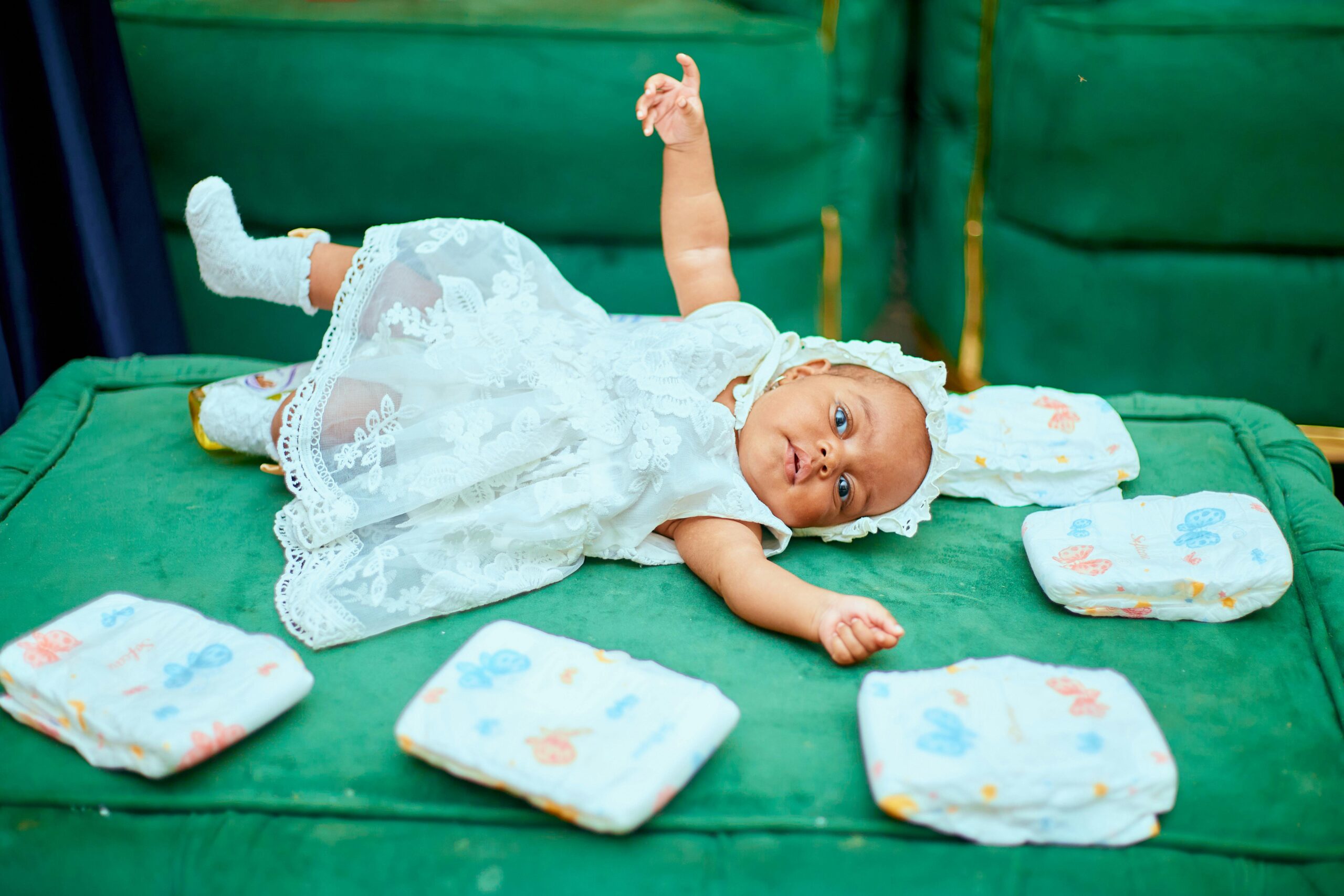
Diapers are one of the biggest ongoing expenses for new parents — and the costs add up fast. The average family spends between $2,000 and $3,000 on diapers before their child is fully potty-trained. The good news? With a few smart habits, you can dramatically reduce that number without sacrificing quality or your baby’s comfort. Here are the best proven strategies to save money on diapers starting today.
Always Calculate the Cost Per Diaper
The single most important habit you can build is comparing the unit price, not the package price. Divide the total cost of a pack by the number of diapers inside to get your cost per diaper. A $28.99 pack with 96 diapers works out to about $0.30 per diaper — but a “cheaper” $19.99 pack with 50 diapers is actually more expensive per use. This one habit will prevent you from falling for deals that aren’t actually deals and makes comparing any brand or store instant and effortless.
Use Coupons and Stack Them With Sales
Combining manufacturer coupons with store sales is arguably the most powerful money-saving move in the diaper world. Printable coupons from brand websites, cashback apps like Ibotta and Fetch Rewards, and retailer apps from Target and Walmart all offer regular discounts. The real magic happens when you stack a $1.50 manufacturer coupon on top of a store sale — that’s how savvy parents regularly bring a pack of Pampers or Huggies down to $5 or less.
Buy in Bulk But Be Careful With Sizing
Larger diaper boxes almost always offer a lower cost per diaper than smaller packs. Retailers like Amazon, Costco, Sam’s Club, and Walmart are the best places to buy in bulk. However, be careful not to stockpile too aggressively in a single size—babies grow quickly, and you could end up with a full box of diapers that no longer fit. A good rule of thumb: keep no more than a one-month supply of the current size and slightly more of the next size up.
Be Slow to Move Up a Diaper Size
Speaking of sizing—don’t rush to the next size the moment your baby hits the weight listed on the package. Many babies comfortably wear their current size beyond the stated weight range. Since larger diaper sizes contain fewer diapers per pack (meaning a higher cost per diaper), staying in the current size longer directly translates to money saved. Only move up when you start noticing consistent leaks or the tabs are straining at maximum stretch.
Sign Up for Loyalty and Rewards Programs
Brand loyalty programs are a passive and effortless way to earn money back on purchases you’re already making. Pampers Club and Huggies Rewards let you scan a QR code on every pack—including packs given as gifts—and accumulate points redeemable for coupons worth up to $25 off. If your baby does best with one particular brand, this adds up significantly over the months of diapering ahead.
Try Store Brands and Generic Diapers
Name brands like Pampers and Huggies are reliable, but generic store brands are often just as effective at a much lower price. Costco’s Kirkland brand and Amazon’s Mama Bear and Earth & Eden lines are consistently well-rated by parents and come in at a noticeably lower price per diaper than their name-brand counterparts. Being brand-flexible — willing to buy whichever trusted option is cheapest that week — is one of the easiest ways to cut costs without any change in quality.
Use a Subscription Service
If couponing isn’t your style, a diaper subscription removes the effort of shopping while automatically trimming your costs. Amazon Subscribe & Save offers 5–15% off every delivery, and brand-specific subscriptions from companies like Hello Bello and Dyper include built-in discounts and reward points. Set it, forget it, and save—all without clipping a single coupon.
Add Diapers to Your Baby Registry
Most parents don’t think to put diapers on their registry, but they’re a perfect practical gift that guests are happy to purchase. Adding multiple sizes to your registry means you’ll receive a stock of diapers that lasts for months beyond the newborn phase. Many major retailers like Amazon, Target, and Walmart also offer a completion discount (typically 10–15% off remaining registry items), which you can then use to purchase diapers at a reduced price for yourself.
Avoid Grocery Stores for Diapers
This is a simple rule that costs you nothing to follow: never buy diapers at the grocery store. Grocery stores consistently charge more per diaper than big-box retailers, wholesale clubs, or online stores. Make it a habit to only purchase diapers at Costco, Sam’s Club, Amazon, Target, or Walmart — and you’ll avoid quietly overpaying every single time.
Get Free Diaper Samples and Check Buy Nothing Groups
Before committing to a large box of any brand, try to get free samples first. Brands like Dyper and Terra offer free sample packs, and your pediatrician’s office often has brand samples available for the asking. Locally, Buy Nothing groups on Facebook are a goldmine for partially used boxes of diapers from parents whose babies have outgrown them — completely free and perfectly good to use.
Consider cloth diapers.
Cloth diapering requires a higher upfront investment, but the long-term savings are real. Financial experts estimate cloth diapering saves up to $50 per month compared to disposables over the roughly 30-month diapering period. A full cloth diaper starter supply can be put together for well under $200 using budget-friendly options like cotton prefold flats ($1–$2.50 each) and affordable all-in-one pocket diapers available in multipacks on Amazon. The tradeoff is extra laundry and some initial setup, but for budget-conscious parents, the math is compelling.
Use Fewer Diapers With Elimination Communication
Perhaps the most unconventional tip—but also the most impactful—is Elimination Communication (EC). This is the practice of learning your baby’s natural cues for needing to urinate or have a bowel movement, then holding them over a potty instead of letting the diaper do the work. Parents who practice EC full-time use as little as one-third of the total diapers they would otherwise go through. You don’t need to commit fully — even part-time EC at home can meaningfully reduce your diaper count and stretch your budget further.
Frequently Asked Questions
How much do diapers cost per month on average?
Most families spend between $70 and $150 per month on diapers depending on the baby’s age, size, and brand preference. Newborns go through 8–12 diapers per day, which drops to around 6–8 by the time they reach size 3.
What is the cheapest diaper brand without sacrificing quality?
Costco’s Kirkland brand and Amazon’s Mama Bear and Earth & Eden lines are widely considered the best value options—lower in price than Pampers or Huggies but comparable in absorbency and comfort, according to many parent reviews.
Does Amazon Subscribe & Save really save money on diapers?
Yes. Amazon Subscribe & Save offers between 5% and 15% off each automatic delivery. The discount increases when you have five or more subscriptions active at the same time. Combined with occasional coupon codes, it’s one of the easiest passive savings tools available.
Is it worth switching to cloth diapers just to save money?
It can be, especially if you plan to have more than one child, since the same cloth diapers can be reused. The upfront cost ranges from around $100 to $400 depending on the brand and quantity, but over a full diapering period, most families save several hundred to over a thousand dollars compared to disposables.
What is elimination communication, and is it realistic for working parents?
Elimination communication is the practice of responding to your baby’s natural elimination cues by holding them over a potty instead of using a diaper. It doesn’t have to be all-or-nothing—many working parents practice it at home during mornings and evenings, which still meaningfully reduces total diaper usage and cost over time.
Where is the worst place to buy diapers?
Grocery stores consistently charge the most per diaper. Always opt for big-box retailers like Costco, Walmart, or Target, or shop online through Amazon — especially using Subscribe & Save or waiting for sales events like Prime Day.
Saving money on diapers doesn’t require extreme couponing or radical lifestyle changes. By combining a few of these strategies — comparing unit prices, using subscriptions, staying flexible on brands, and building a smart stockpile — you can easily cut your diaper spending in half without any compromise on your baby’s comfort.


Leave a Reply