
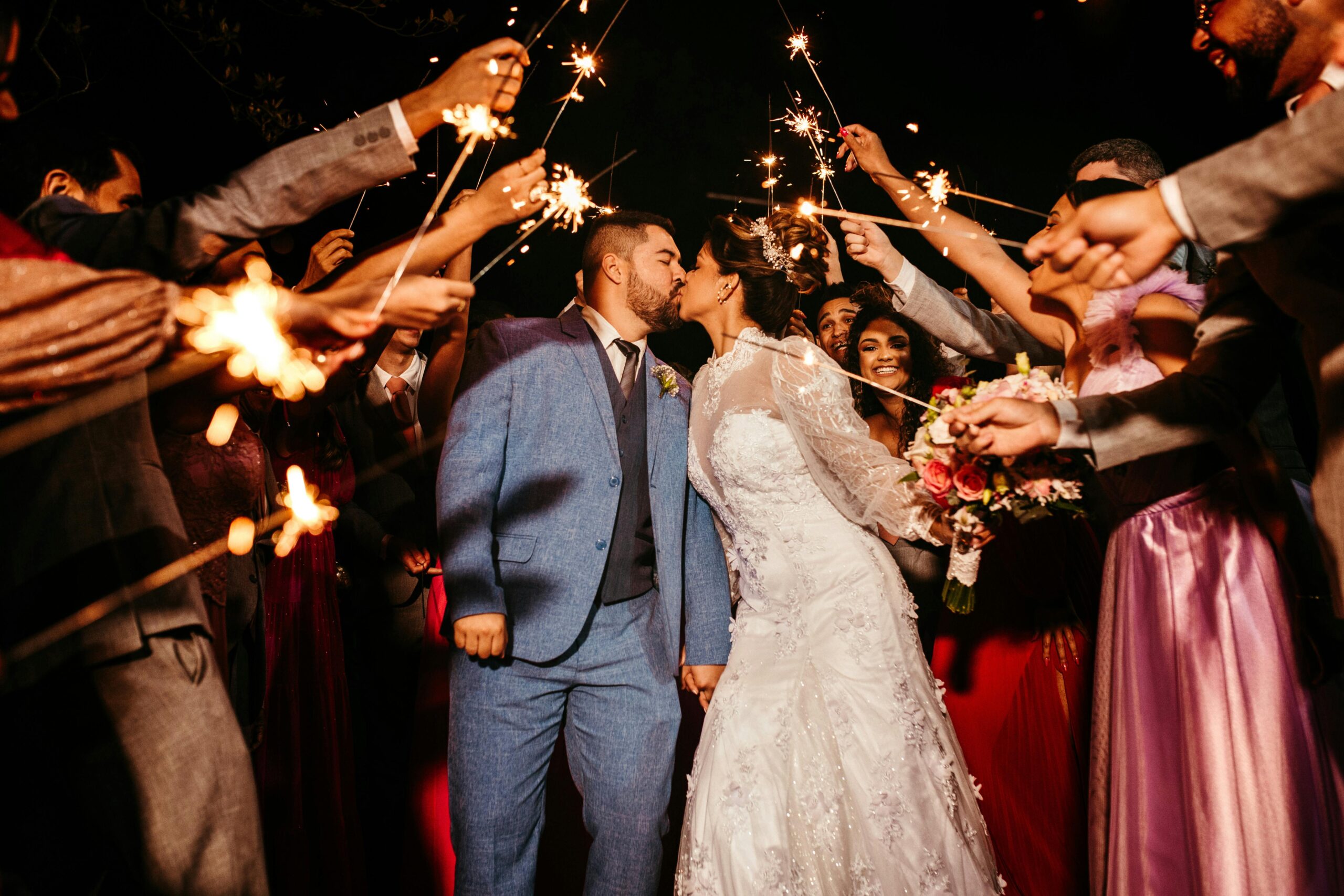
Weddings are beautiful, meaningful, and unforgettable, but they can also become one of the easiest ways to overspend if you are not careful. One wedding guide cites an average U.S. wedding cost of $35,000, while a UK-focused guide cites an average of £21,990, which shows just how quickly costs can escalate when couples follow expectations instead of setting clear limits.
From a frugal point of view, saving money on a wedding is not about stripping away everything special. It is about spending on what matters most, cutting what adds little value, and building a day that feels joyful without starting married life under financial pressure.
Many couples waste money because they focus on tiny DIY savings while ignoring the biggest cost drivers. The smartest approach is to make a few strong decisions early, such as reducing the guest list, choosing a cheaper date, simplifying food and drinks, and picking a venue that needs very little extra decoration.
Why weddings get expensive so fast
Wedding costs rise quickly because many expenses stack on top of each other. Every extra guest affects catering, alcohol, invitations, seating, rentals, and sometimes even venue pricing, which is why the guest list is one of the most powerful budget levers.
Another reason budgets spiral is that couples often book the venue first without thinking through the full wedding picture. Several of the sources warn that this creates a squeeze later, especially once flowers, attire, photography, stationery, favors, transport, staffing, corkage, and hidden venue charges are added in.
A frugal mindset solves this problem by asking one simple question before every spend: does this improve the experience in a meaningful way, or is it just there because weddings are “supposed” to include it? That question alone can save hundreds or even thousands.
Start with the highest-impact savings
If you want to know how to save money on a wedding, begin with the decisions that shape the whole budget. Across all the material reviewed, the same savings ideas came up again and again because they affect the largest categories first.
1. Cut the guest list first
A smaller wedding almost always means a cheaper wedding. Fewer guests reduce food, drink, tables, chairs, invitations, favors, and venue size requirements all at once, making this one of the most effective frugal moves available.
This is often the hardest cut emotionally, but it usually creates the biggest financial breathing room. From a frugal perspective, an intimate wedding with good food and a relaxed atmosphere beats a large wedding that feels financially stressful.
2. Choose an off-peak date
Several sources recommend choosing a Friday, Sunday, weekday, or off-season date because venues and vendors often charge less then. The UK wedding guide even says Fridays and Sundays can cut reception venue costs by up to half, with midweek dates sometimes lowering them further.
If your goal is to save money, flexibility is a real asset. A less popular date can create room in the budget without changing the overall feel of the wedding very much.
3. Use one venue for everything
Holding the ceremony and reception in the same place helps reduce transport, setup complexity, and vendor time. It can also lower decoration needs and sometimes comes with better package pricing than splitting the day across multiple locations.
This is one of the best examples of frugal planning because it saves money while also making the day easier for everyone. Guests appreciate simplicity, and couples avoid paying extra for logistics that add little real value.
4. Pick a venue that already looks good
A naturally attractive space can save a surprising amount on flowers and décor. Sources repeatedly recommend parks, museums, houses of worship, gardens, halls, homes, restaurants, recreation spaces, and other nontraditional venues that feel special without requiring a heavy styling budget.
A frugal wedding does not need a blank-canvas venue if decorating that space costs a fortune. The better choice is often a place with built-in charm, where the setting does part of the visual work for you.
Save money on food and drinks
Food and drink are often among the largest wedding expenses, which makes them one of the best areas to simplify. The sources consistently suggest reducing formality, narrowing choices, and focusing on good hospitality rather than expensive tradition.
Choose a simpler meal style
A plated dinner is not the only way to feed guests well. Buffet meals, family-style service, brunch receptions, cocktail-style events, and shared banquet tables are all mentioned as lower-cost alternatives that can still feel warm and generous.
Restaurant catering may also be worth comparing against traditional wedding caterers. In some cases, local restaurants can provide good food at a lower price point, especially for smaller or more casual celebrations.
Keep the menu focused
A frugal wedding menu does not need endless options. One source recommends keeping catering simple and seasonal, which can cut costs while still offering a meal that feels fresh and well chosen.
This is a useful mindset shift: guests want satisfying food, not necessarily a huge list of choices. Fewer dishes done well often create a better experience than a bloated menu that pushes the budget upward.
Limit the bar
Multiple guides recommend avoiding a full open bar and instead serving beer, wine, and one or two signature cocktails. This keeps the drinks enjoyable without paying for the complexity and waste that often come with offering everything.
If the venue allows it, buying your own alcohol can also lower costs. One article suggests watching for alcohol sales and comparing that route with corkage fees to see whether it still comes out cheaper overall.
Be smart with cake and desserts
Several sources suggest using a small display cake for the ceremonial cutting while serving guests from sheet cakes or simpler desserts. This delivers the same visual moment without paying premium prices for a large decorated cake.
Simple finishes also save money. Buttercream, fresh flowers, and modest styling cost less than fondant-heavy or highly intricate cake designs.
Cut costs on clothes, flowers, and décor
This is where couples often spend too much for things that have short-term use or low practical value. The frugal approach is to buy second-hand when possible, borrow what you can, and focus decoration only where it makes the strongest visual impact.
Spend less on wedding attire
The sources offer many ways to reduce dress costs: sample sales, trunk shows, second-hand bridal sites, charity bridalwear, department stores, outlet shopping, and rentals all come up as viable alternatives. One UK source specifically mentions platforms like Vinted, eBay, Facebook Marketplace, and Oxfam bridalwear, while another source recommends second-hand sites such as Stillwhite, Nearly Newlywed, and Wore It Once.
A simpler outfit can also save a lot. One guide notes that dresses with less beading, embroidery, and detailed embellishment usually cost less, and accessories can still give the final look personality.
Go digital with invitations
Digital save-the-dates, online RSVPs, wedding websites, paperless invites, and email communication appear across several of the sources. They reduce printing costs, paper costs, and postage while also making updates easier.
Even if you want some printed stationery, keeping it minimal helps. One article specifically notes that thick invitation suites and heavier envelopes increase mailing costs, which is an easy expense to overlook.
Simplify flowers
Flowers can become a major cost category very quickly, especially when couples want out-of-season blooms or large statement pieces everywhere. The repeated low-cost advice is to use seasonal local flowers, lean more heavily on greenery, reuse ceremony flowers at the reception, and focus floral spending on guest-facing areas.
Some sources also recommend potted plants, household items, candles, books, shells, heirlooms, or other non-floral décor. These alternatives can feel personal and thoughtful while costing much less than a venue full of premium florals.
Skip low-value extras
Frugal wedding planning means being honest about what guests actually notice. Several of the sources say favors can be skipped entirely or replaced with edible or useful options, because elaborate favors often get forgotten.
The same logic applies to other extras. If something is expensive, short-lived, and unlikely to improve the experience in a meaningful way, it is a prime candidate for cutting.
Use people and vendors strategically
A wedding budget gets stronger when couples stop treating prices as fixed and stop assuming every service must come from a traditional wedding supplier. The sources recommend comparing quotes, talking honestly about your budget, and using help from people you trust where it makes sense.
Ask for quotes and negotiate
One guide strongly recommends getting at least three quotes and benchmarking what is actually included. It also says many suppliers will negotiate on price or add value in other ways, even if they do not reduce the headline rate directly.
Another source says couples should tell vendors their budget clearly, because vendors may suggest more affordable alternatives, such as replacing expensive flowers with more greenery or simplifying package options.
Hire local vendors
Using local photographers, videographers, florists, or entertainers can reduce travel costs and extra fees. This advice appears in more than one source and is especially useful when the venue is outside a city or in a destination-like setting.
Accept help, but be realistic
Friends and family may be able to help with music, transport, officiating, hair, makeup, printing, baking, décor, or photography support. The lower-cost wedding guides especially emphasise this kind of practical help, and one even suggests bartering services if you have a skill or product worth exchanging.
That said, frugal does not mean turning loved ones into unpaid event staff for every category. The best version of this strategy is to accept help for tasks people can genuinely handle well without adding pressure or causing last-minute chaos.
DIY only where it makes sense
DIY can save money, but only when it stays small and manageable. One source recommends focusing on lower-stress items like signage or seating cards rather than large-scale handmade décor projects that require huge amounts of time and materials.
This is a classic frugal principle: the cheapest-looking option is not always the best value if it costs too much time, energy, or stress. Smart DIY is selective, not endless.
Avoid the debt trap
One of the strongest lessons from the sources is that a wedding should not create financial damage that lasts longer than the day itself. The UK-focused guide is especially direct on this point, warning couples to avoid borrowing where possible and to be very cautious with high-cost credit.
It also recommends understanding payment protections, such as Section 75 coverage on qualifying credit card purchases between £100 and £30,000, alongside chargeback possibilities and wedding insurance considerations. That advice reflects a broader frugal principle: protecting your money matters just as much as reducing the initial spend.
A truly frugal wedding budget protects your future, not just your image. Starting married life without avoidable debt is one of the most valuable savings of all.
What a frugal wedding really looks like
A frugal wedding is not a lesser wedding. It is usually a more intentional one, where money goes toward the things that matter and away from the things that mainly exist because of pressure, tradition, or industry upselling.
In practical terms, that often means a smaller guest list, a cheaper date, a simpler menu, a limited bar, second-hand clothing, digital invites, local seasonal flowers, fewer extras, and a willingness to question every “must-have.” That is not cheapness. That is smart planning.
If you remember one rule, make it this: spend for meaning, not for show. That is the frugal point of view, and it is one of the best ways to save money on a wedding without losing what makes the day special.
FAQ
What is the cheapest way to have a wedding?
The lowest-cost options mentioned in the sources include keeping the guest list small, choosing an off-peak day, using a courthouse ceremony, hosting the event in a park, hall, restaurant, home, or other nontraditional venue, and simplifying food and drinks.
What saves the most money on a wedding?
The biggest savings usually come from reducing the guest list, choosing a lower-cost date, selecting a cheaper venue, and simplifying catering and alcohol. These areas affect the largest budget categories, so they usually matter more than trimming small decorative items.
Is it cheaper to do your own wedding decorations?
Sometimes, but not always. The sources support selective DIY for lower-stress items, while warning that large-scale handmade décor can become time-consuming, costly, and overwhelming.
Is a buffet cheaper than a plated wedding meal?
Several of the sources suggest that buffet, family-style, brunch, or cocktail-style service can cost less than a plated sit-down dinner. The exact savings depend on the caterer and venue rules, but simpler service styles are consistently recommended for budget-conscious weddings.
How can I save money on wedding flowers?
The main advice is to choose seasonal local flowers, use more greenery, reuse ceremony arrangements at the reception, decorate only the areas guests actually see, and consider candles, potted plants, or other non-floral décor.
Should you go into debt for a wedding?
The strongest advice from the sources is no. One guide specifically recommends avoiding borrowing where possible and warns couples to be cautious with high-cost credit and repayment risks.



Leave a Reply