
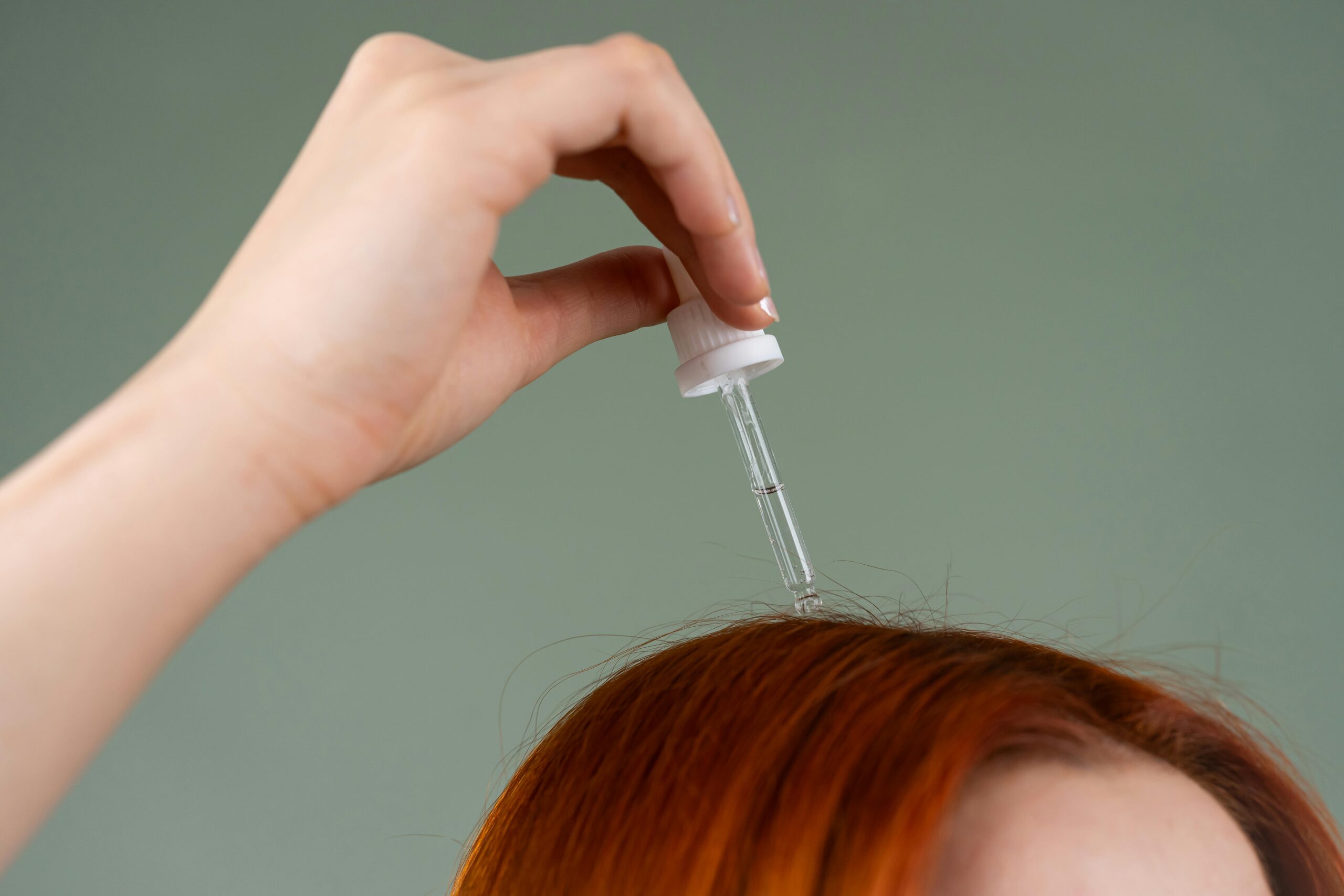
Finding a “lice notice” in your child’s backpack is enough to make any parent’s skin crawl and a quick trip to the pharmacy to see $40 price tags on chemical kits only adds to the stress. If you are looking for a frugal, natural, and effective alternative, you’ve likely heard of using tea tree oil for lice. But does it actually work, and more importantly, is it safe?
The short answer is yes: tea tree oil contains natural compounds called terpenoids that have been shown to kill head lice and soothe the scalp. However, because it is a potent essential oil, it must be diluted correctly to avoid skin irritation or chemical burns.
In this comprehensive guide, we are going to break down the science of why tea tree oil is a “super lice” nightmare, the exact safety ratios for different age groups, and a step-by-step DIY treatment plan that costs pennies compared to over-the-counter brands. Whether you’re a budget-conscious parent or someone looking to avoid harsh neurotoxins, here is everything you need to know about safely treating head lice with tea tree oil.
Quick Guide: Why Tea Tree Oil?
- Cost-Effective: One bottle of oil can treat an entire family for a fraction of the cost of one Nix or Rid kit.
- Natural Insecticide: It targets lice that have become resistant to traditional chemical treatments (often called “super lice”).
- Dual Action: It acts as both a treatment and a preventative scent barrier.
Safety Note: Essential oils are highly concentrated. Before starting any treatment, always perform a patch test and never apply “neat” (undiluted) tea tree oil directly to the scalp.
Why Tea Tree Oil Works for Head Lice: The Science of the “Frugal Fix”
If you’re wondering why a simple plant extract is scaring the daylights out of “super lice,” it all comes down to chemistry. Tea tree oil, derived from the Melaleuca alternifolia plant, is packed with natural compounds called terpenoids.
Specifically, a compound known as terpinen-4-ol acts as a natural insecticide. Research suggests that tea tree oil can physically interfere with the nervous system of lice, leading to their demise.
The Benefit Over Store-Bought Chemicals
- Beating Resistance: Many over-the-counter (OTC) treatments use pyrethrins or permethrin. Because these have been used for decades, “super lice” have evolved a resistance to them. Tea tree oil works differently, making it an effective alternative when the expensive box kits fail.
- Soothing the Itch: Lice bites cause inflammation and itching. Tea tree oil is naturally antiseptic and anti-inflammatory, meaning it helps heal the scalp while it works on the bugs.
- The Frugal Factor: A high-quality bottle of tea tree oil costs around $8–$12 and contains hundreds of drops. Compared to a $30 single-use chemical kit, the savings are massive—especially if you have multiple children to treat.
Safety First: The Golden Rules of Dilution
Before we dive into the application, we have to talk safety. In the world of frugal living, “more” is not always “better.” Tea tree oil is incredibly potent. Never apply 100% pure tea tree oil directly to the scalp. Doing so can cause contact dermatitis, redness, or even chemical burns, particularly on a child’s sensitive skin.
The Power of Carrier Oils
To use tea tree oil safely, you must mix it with a carrier oil. From a budget perspective, fractionated coconut oil or extra virgin olive oil are your best bets.
- Why they work: The carrier oil “carries” the essential oil safely to the skin, but it also serves a secondary purpose: it helps suffocate the live lice by clogging their breathing pores (spiracles).
Lice Treatment Dilution Table
To keep your family safe, follow these standard dilution ratios. When in doubt, start with a weaker concentration.
| Age Group | Tea Tree Oil (Drops) | Carrier Oil or Shampoo | Dilution Strength |
| Adults | 10–12 drops | 2 Tablespoons (30ml) | ~2% |
| Children (Ages 6–12) | 5–6 drops | 2 Tablespoons (30ml) | ~1% |
| Toddlers (Ages 2–5) | 2–3 drops | 2 Tablespoons (30ml) | ~0.5% |
Frugal Pro Tip: If you’re out of coconut oil, you can mix the tea tree oil directly into your regular bottle of shampoo. Just ensure you shake the bottle vigorously before every use to keep the oils from separating!
The All-Important Patch Test
Before slathering a child’s entire head, perform a patch test. Apply a tiny drop of your diluted mixture to the inside of their forearm. Wait 24 hours. If there’s no redness or itching, you’re clear to proceed with the full treatment.
Step-by-Step: The Frugal Lice-Busting Protocol
Now that you’ve mastered the safety ratios, it’s time to get to work. Treating lice at home requires patience, but following this specific protocol ensures you don’t waste time or money on repeated failed attempts.
1. Prepare Your “Lice Slather”
In a small bowl, mix your carrier oil (coconut or olive oil) with the appropriate number of tea tree oil drops based on the dilution table above.
- Frugal Tip: Use an old condiment squeeze bottle or a clean hair dye applicator to make the application mess-free and precise.
2. Saturate the “Hot Zones”
Lice love warmth. Divide the hair into sections and apply the oil mixture liberally. Focus specifically on:
- The nape of the neck.
- Behind the ears.
- The crown of the head. The hair should look “wet” with oil. This creates a dual-threat: the tea tree oil acts as the insecticide while the thick carrier oil begins to suffocate the live bugs.
3. The Wait (Suffocation Phase)
Once the hair is saturated, pile it on top of the head and cover it with a plastic shower cap. If you don’t have one, a simple plastic grocery bag (secured carefully) works just as well.
- How long should you wait? Leave the mixture on for 30 to 60 minutes.
PAA: How long does it take for tea tree oil to kill lice? While some studies show tea tree oil can kill lice in as little as 30 minutes, most professionals recommend a 1-hour “soak” to ensure maximum contact. However, do not leave it on overnight, as this can increase the risk of skin irritation.
4. The Critical Step: The Fine-Tooth Comb
This is where most DIY treatments fail. Tea tree oil does NOT dissolve the “glue” that holds nits (eggs) to the hair shaft. You must physically remove them.
- Use a high-quality metal nit comb (like the “LiceMeister” or “Nit Free Terminator”). It’s a $10 investment that lasts a lifetime and is much more effective than the cheap plastic combs included in store kits.
- Wipe the comb on a white paper towel after every swipe to see the lice and nits you’ve removed.
5. The Final Wash and the “7-Day Rule”
Wash the hair twice with a gentle dish soap (like Dawn) or a clarifying shampoo to cut through the heavy oil.
- The Secret to Success: Lice have a 7-to-10-day hatching cycle. Even if you miss one tiny egg, the infestation will start all over again. Repeat this entire process exactly 7 days later to catch any newly hatched “nymphs” before they are old enough to lay more eggs.
Common Tea Tree & Lice Questions
Can I put tea tree oil directly on my scalp for lice?
Absolutely not. Pure tea tree oil is an “essential” oil, meaning it is highly concentrated. Applying it “neat” (undiluted) can lead to severe itching, redness, and even chemical burns on the scalp. Always use a carrier oil or mix it into shampoo.
Is tea tree oil better than Nix or Rid?
In many cases, yes. Because “super lice” have developed a genetic resistance to the pesticides (permethrin) used in Nix and Rid, these products often have a failure rate as high as 70% in some regions. Tea tree oil kills through a different biological pathway, making it a reliable alternative for resistant strains.
Can I use tea tree oil as a lice preventative?
Yes! This is one of the most frugal ways to stay lice-free. Add 10–15 drops of tea tree oil to your child’s regular 8oz bottle of shampoo. Lice find the scent of tea tree oil repulsive and are less likely to crawl onto a head that smells like it. It’s an easy, pennies-per-month “insurance policy” during school outbreaks.
The Frugal Cleanup: Treating the Home Without Breaking the Bank
One of the biggest mistakes parents make is spending hundreds of dollars on “lice-killing” furniture sprays or washing every single piece of clothing in the house. Lice are parasites that need a human host to survive. Off the head, they typically die within 24 to 48 hours.
Save your sanity (and your utility bill) with these targeted, frugal cleaning hacks:
- The 20-Minute Dryer Trick: High heat is a louse’s worst enemy. Instead of washing everything, throw “high-touch” items like pillowcases, stuffed animals, and hats into the dryer on high heat for 20 minutes. This kills live lice and dehydrates nits more effectively than a full wash cycle.
- The “Bag and Tag” Method: For items that can’t be laundered (like fancy costumes or bulky pillows), seal them in a plastic trash bag for 48 hours. Without a food source, any lice will perish.
- Focus on the “Hot Zones”: You don’t need to deep-clean the baseboards. Focus your vacuuming on the couch, car seats, and carpets where heads have rested in the last 48 hours.
- DIY Prevention Spray Recipe: * 2 cups of water
- 10–15 drops of tea tree oil
- A tiny squirt of dish soap (to help the oil mix with the water)
- Instructions: Mix in a spray bottle and lightly mist backpacks, coat hoods, and helmet liners before school. It’s a pennies-per-use shield.
When to See a Professional
While tea tree oil is a powerhouse for the frugal family, there are times when “doing it yourself” isn’t the safest or most effective route. Seek professional medical advice if:
- The Infant Factor: Never use essential oils on babies under 6 months old without a pediatrician’s approval.
- Signs of Infection: If the scalp has open sores, crusting, or “honey-colored” scabs from excessive scratching, it may be an infection (like impetigo) that requires antibiotics.
- Persistence: If you have completed three rounds of treatment (Day 1, Day 7, and Day 14) and are still seeing live, crawling lice, you may be dealing with a severe infestation that needs a prescription-strength solution.
Conclusion: Real Savings Start with Consistency
Treating head lice naturally with tea tree oil isn’t just a win for your wallet, it’s a win for your peace of mind, knowing you aren’t dousing your child’s head in harsh neurotoxins. By spending less than $15 on a bottle of oil and a quality metal comb, you can manage an outbreak that would normally cost a family $100 or more.
The secret to being a frugal lice-buster isn’t the brand of oil you buy; it’s the 7-day follow-up. If you stay consistent and catch the life cycle in its tracks, you’ll never have to buy those overpriced pharmacy kits again.
Summary Checklist for Your Frugal Lice Kit:
- [ ] Pure Tea Tree Oil (Melaleuca)
- [ ] Carrier Oil (Coconut or Olive)
- [ ] Metal Nit Comb
- [ ] Plastic Shower Cap (or grocery bag)
- [ ] Patience and a good podcast!


Leave a Reply