

The New Standard: Why “Cheap” is Out and Frugal is In
For a long time, the world of men’s style was split into two frustrating camps: the high-end luxury addicts spending a month’s rent on a logo, and the fast-fashion hunters cycling through “disposable” $10 tees that shrink after a single wash. But as we move through 2026, a third player has taken over the throne. Welcome to the era of frugal male fashion.
Being frugal isn’t about being “cheap”—it’s about being strategic. It’s the art of looking like a million bucks while keeping your savings account intact. In a world where “Quiet Luxury” has shifted from a trend to a lifestyle, the secret to dressing well isn’t a massive credit card limit; it’s an understanding of fit, fabric, and the “Cost-Per-Wear” philosophy.
Whether you are a college student trying to look professional for your first internship or a seasoned professional looking to trim the fat from your budget without losing your edge, mastering frugal fashion is the ultimate “cheat code” for the modern man. You don’t need a stylist; you just need a system.
In this guide, we’re going to break down how to build a world-class wardrobe on a real-world budget, from the brands that offer the best bang for your buck to the thrifting secrets that the pros don’t want you to know.
The 2026 Style Shift: Quality Over Quantity
In previous years, “budget fashion” meant hitting the clearance rack for the cheapest polyester blend you could find. In 2026, the script has flipped. The most stylish men aren’t those with the most clothes; they are those with the right clothes.
We are seeing a massive shift toward intentional styling. This means moving away from “micro-trends” that expire in six months and moving toward heritage fabrics—like heavy-weight cotton, wool blends, and linen—that actually look better the more you wear them.
The “Anti-Haul” Philosophy
The secret to frugal male fashion in 2026 is the “Anti-Haul.” Instead of buying five mediocre shirts for $100, a frugal stylist buys one high-quality, pre-owned Oxford or a premium Uniqlo basic that holds its shape for three years.
- The Goal: A closet where every single item fits perfectly and matches at least three other items.
- The Result: You spend less time choosing outfits and less money replacing “disposable” rags.
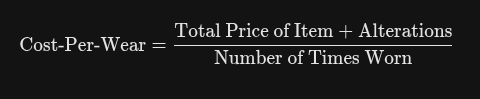
The “Cost-Per-Wear” (CPW) Equation
If you want to master frugal fashion, you have to stop looking at the price tag and start looking at the value. This is where the CPW formula comes in. It is the “magic math” of menswear.
Why This Matters
Let’s look at two guys buying boots:
- Guy A buys “fast fashion” boots for $60. They are uncomfortable, made of synthetic “pleather,” and the sole falls off after 20 wears.
- CPW: $3.00 per wear.
- Guy B finds a pair of high-quality leather boots on sale (or gently used) for $180. He wears them 3 times a week for 3 years (roughly 450 wears).
- CPW: $0.40 per wear.
The Verdict: Guy B spent more upfront, but he actually saved $1.10 per wear and looked significantly better doing it. Frugality is a long game.
5 Core Pillars of Frugal Male Fashion
1. Master the Digital Thrift (The “Search Engine” Hack)
In 2026, the best deals aren’t on the rack; they’re in the search bar. Apps like eBay, Grailed, and Depop are goldmines if you know the keywords. Instead of searching for “blue shirt,” try specific terms like “Vintage 100% Cotton Oxford” or “90s Straight Leg Denim.” * The Pro Move: Look for “boring” heritage brands like L.L. Bean, Woolrich, or Brooks Brothers. These items often outperform modern “hype” pieces in durability and sell for a fraction of their original price.
2. The High-Street Heroes
When you must buy new, stick to the brands that have perfected the balance of price and quality.
- Uniqlo: Still the king of the “building blocks.” Their Supima Cotton Tees and Selvedge Denim are industry standards for under $50.
- Dickies & Carhartt: If you want clothes that can handle 2026’s rugged aesthetic, workwear is the most frugal choice. These pieces are literally designed to be indestructible.
- Quince & Everlane: These are your go-to for “Quiet Luxury” on a budget—think $60 cashmere sweaters and $70 Italian leather accessories that look triple the price.
3. The Fit > Brand Rule
A $400 designer jacket that doesn’t fit your shoulders looks like a costume. A $30 thrifted blazer that has been tailored to your frame looks like a bespoke masterpiece.
- The Frugal Secret: Find a local tailor. Spending $15 to have your trousers hemmed or $25 to have a shirt tapered is the single fastest way to look expensive without actually being so.
4. Maintenance is Free Money
Frugal male fashion is as much about retention as it is about acquisition.
- The “Shaver” Hack: Buy a $10 fabric shaver to remove pilling from old sweaters. It makes a five-year-old knit look brand new in minutes.
- Cold Wash, Hang Dry: The dryer is the enemy of cheap clothes. By air-drying your basics, you prevent the fibers from breaking down, effectively doubling the life of your wardrobe.
5. The Capsule Wardrobe Strategy
Stop buying “outfits” and start buying components. A frugal capsule wardrobe consists of 10–12 interchangeable pieces in neutral colors (navy, olive, grey, cream).
- The Math: 3 pairs of pants + 5 shirts + 2 jackets = 30 different outfit combinations. This prevents “decision fatigue” and keeps your closet lean.
Frugal Style Mistakes That Make You Look “Cheap”
The difference between a “frugal” man and a “cheap” man is often found in the details. In 2026, where the “Old Money” and “Quiet Luxury” aesthetics dominate, these five mistakes are the most common ways men accidentally sabotage their style.
1. The “Logo Trap”
One of the biggest mistakes in frugal male fashion is buying an item simply because it has a designer name on it. Cheaply made shirts with giant “luxury” logos actually scream insecurity rather than wealth.
- The Fix: Opt for “Discreet Branding.” Look for small, tonal logos or—better yet—no logos at all. A high-quality, unbranded $25 pocket tee looks infinitely more expensive than a $100 polyester shirt with a massive gold foil logo.
2. Stretchy Synthetics & “Plastic Shine”
Fast-fashion brands often use high percentages of polyester and elastane to make cheap clothes feel “comfy.” However, synthetic fabrics have a tell-tale “plastic shine” under sunlight and lose their shape after three washes.
- The Fix: Always check the care tag. Aim for at least 90% natural fibers (Cotton, Wool, Linen). Even “cheap” 100% cotton will drape better and age more gracefully than a high-end synthetic blend.
3. Neglecting the “Middle Ground”
Many men operate in extremes: gym clothes or a full suit. Missing the “Smart Casual” middle ground makes you look unprepared for 90% of life’s events in 2026.
- The Fix: Invest in one “anchor” outfit: a pair of dark-wash straight-leg denim, a crisp white Oxford button-down, and a pair of clean leather loafers or minimalist sneakers.
4. The “Dirty Shoe” Syndrome
You could be wearing a $1,000 outfit, but if your shoes are scuffed, salt-stained, or falling apart, the entire look is ruined. Conversely, a thrifted $10 outfit paired with pristine, polished shoes looks like a million bucks.
- The Fix: Maintenance is free. Use a damp cloth to wipe down your sneakers every three wears and invest $10 in a leather conditioning cream for your boots.
5. Chasing “Micro-Trends”
In 2026, trends like “ultra-baggy” or “spray-on skinny” move fast. If you buy into them at peak hype, your clothes will look dated by next season.
- The Fix: Stick to Classic Silhouettes. A straight-leg trouser and a standard-fit crew neck sweater have been stylish for 50 years and will be stylish for 50 more.
Shopping Calendar: When to Buy What
If you want to master frugal male fashion, you have to shop when everyone else isn’t. The 2026 retail cycle follows a predictable pattern of “inventory flushing.”
| Season | What to Buy | Why? |
| January/February | Heavy Coats, Boots, Cashmere | Retailers are clearing winter stock to make room for Spring. |
| July/August | Linen Shirts, Shorts, Swimwear | “End of Summer” sales offer the deepest discounts on high-quality summer staples. |
| Post-Holiday (Late Dec) | Suits & Formalwear | After the holiday party rush, tailoring prices and suit stock often dip. |
The 2026 “Value” Brand Directory
To truly master frugal male fashion, you need to know which brands are currently offering the best intersection of quality and price. Based on the 2026 market, here are the “Smart Money” picks for every category:
The Foundations (Basics & Denim)
- Uniqlo: Still the undisputed heavyweight. Their Supima Cotton T-shirts and Airism undershirts are essentials. For pants, their Pleated Wide Trousers are the 2026 “it” item for under $50.
- Gap: Having a major resurgence in 2026. Look here for high-quality hoodies and timeless denim that rivals premium brands.
- Levi’s & Wrangler: For jeans, stick to the classics. The Levi’s 501 remains the gold standard for frugal styling because it never goes out of fashion.
The “Quiet Luxury” Look (On a Budget)
- Quince: The go-to for “direct-to-consumer” value. You can find Mongolian cashmere sweaters and Italian leather goods for a third of traditional retail prices.
- Massimo Dutti & COS: These brands offer the high-end “architectural” look. They are perfect for snagging a well-cut blazer or a structured wool coat that looks like it cost four figures.
- Asket: If you want a “permanent collection” where every item is traceable and built to last a decade, this is the frugal minimalist’s dream.
Rugged & Workwear Staples
- Carhartt & Ben Davis: These aren’t just for construction sites anymore. Their heavy-duty fabrics are the definition of “Cost-Per-Wear” value—they are nearly impossible to wear out.
- Buck Mason: Great for American-made basics that have a rugged, “Steve McQueen” vibe without the designer markup.
Conclusion: Your Frugal Fashion Roadmap
Frugal male fashion in 2026 isn’t a race to the bottom of the price tag; it’s a journey toward wardrobe mastery. By focusing on fit, prioritizing natural fibers, and calculating your Cost-Per-Wear, you aren’t just saving money—you’re building a personal brand that commands respect.
The 3-Step Frugal Kickstart:
- Audit: Toss the “disposable” fast fashion and the logo-heavy “clutter.”
- Tailor: Take one item you already own to a local tailor this week.
- Invest: Instead of three cheap shirts, buy one high-quality staple from the list above.
Style is a skill, and like any skill, it gets better (and more affordable) with practice. Stop spending, start investing, and let your clothes do the talking.

Leave a Reply