
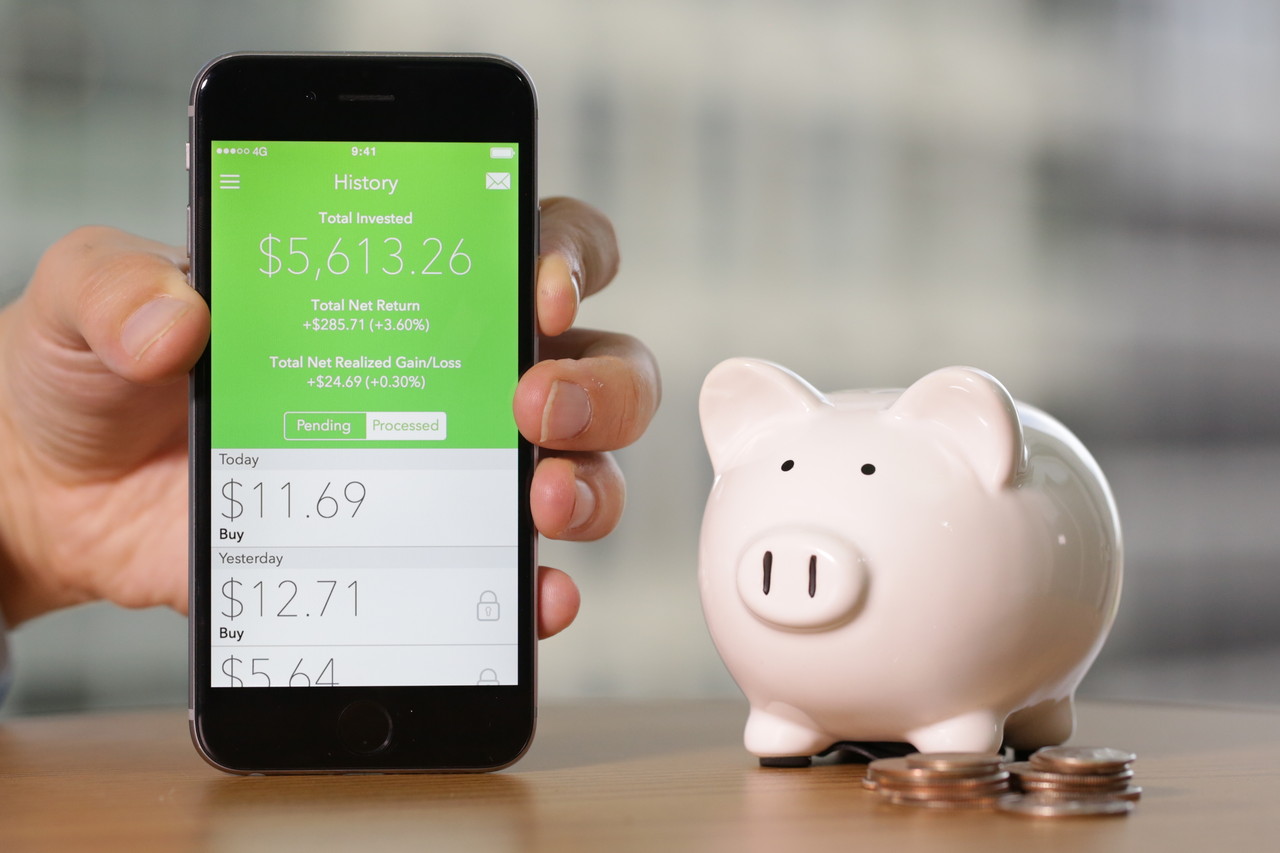
Let’s face it: walking into a grocery store in 2026 feels a bit like a high-stakes strategy game. With grocery prices predicted to rise by another 3.1% to 3.6% this year according to the USDA, the “sticker shock” at the register is real. Whether you’re staring at a dozen eggs or a pound of ground beef, the numbers on the shelf just aren’t what they used to be.
But here is the good news: while prices are climbing, the technology to beat them is evolving even faster. Gone are the days of spending Sunday afternoons clipping paper coupons that you’ll inevitably forget on the kitchen counter. Today, the best money-saving apps for groceries do the heavy lifting for you—turning your smartphone into a high-powered tool for instant rebates, hidden discounts, and AI-driven meal planning.
In this guide, we aren’t just looking at one-off discounts. We’re going to show you how to use the “Stacking Method”—a pro-finance strategy that combines multiple apps to slash your food bill by 20% or more.
Ready to stop overpaying? Let’s dive into the top contenders for your digital wallet.
The “Big Three” Grocery Cashback Apps
If you only have space for a few apps on your phone, these three are non-negotiable. They offer the highest ROI for the least amount of effort.
1. Ibotta: The “Gold Standard” for Rebates
Ibotta remains the heavyweight champion of grocery savings in 2026. Unlike simple coupon apps, Ibotta gives you actual cash back on specific brand-name items and even “any brand” essentials like milk, bread, and eggs.
- How it works: Before you shop, “add” offers in the app. After your trip, simply scan your receipt (or link your store loyalty card for automatic tracking).
- The 2026 Edge: Ibotta has significantly expanded its LiveLift technology, which offers real-time, in-store price comparisons and higher-value rebates (often up to 25%–50% off) if you’re willing to try a new brand.
- Payout: Real cash via PayPal, bank transfer, or gift cards once you hit a $20 threshold.
2. Fetch Rewards: The “Lazy Saver’s” Best Friend
If the thought of “activating” offers before you shop feels like a chore, Fetch is your solution. It is arguably the easiest app on this list.
- How it works: You don’t have to pre-select deals. Just snap a photo of any receipt from any store (groceries, gas, restaurants). The AI instantly scans for participating brands and awards you points.
- The 2026 Edge: Fetch now features a robust “Social Clubs” integration where you can join challenges with friends to earn massive point multipliers on common household goods. Plus, their e-receipt integration for grocery delivery services like Instacart and Walmart+ is now near-instant.
- Payout: Points can be redeemed for hundreds of gift cards (Amazon, Starbucks, Target) starting at just 3,000 points ($3).
3. Rakuten: The In-Store Dark Horse
Known primarily for online shopping, Rakuten has become a powerhouse for in-store grocery savings in 2026.
- How it works: By linking your credit or debit card within the Rakuten app, you can “activate” in-store cashback at major grocers. You simply pay with your linked card, and the cashback is automatically added to your account.
- The 2026 Edge: Rakuten’s 2026 update includes a “Flash Grocery” feature, offering 10%–15% cashback on entire grocery hauls at select retailers for a limited window (usually 24 hours).
- Payout: The “Big Fat Check” or PayPal payment sent every three months.
Pro Tip: You can “Double Dip” by scanning the same receipt into both Ibotta and Fetch. Since they are different platforms, you can often get rewarded twice for the exact same gallon of milk!
Eco-Friendly Savings: Fighting Food Waste
In 2026, some of the steepest discounts aren’t found in the weekly circular—they’re found in the “surplus” bin. Food waste apps have exploded in popularity, allowing you to snag high-quality groceries for 50% to 70% off simply because a store overstocked or an item is nearing its “best-by” date.
Flashfood: High-End Groceries for Pennies
Flashfood partners with major chains (like Meijer, GIANT, and Stop & Shop) to sell items that are approaching their expiration date at a massive discount.
- Best For: Meat, seafood, and organic produce boxes. It’s not uncommon to find a $20 steak for $7 or a massive box of mixed veggies for $5.
- How it works: You browse the app for your local store, purchase the items directly in the app, and head to the designated “Flashfood Zone” (usually a purple fridge) in-store to pick them up.
- Pro Tip: Check the app at 8:00 AM local time. That is typically when produce managers upload the day’s new “short-dated” inventory.
Too Good To Go: The “Surprise Bag” Strategy
While originally known for restaurant leftovers, Too Good To Go has pivoted heavily into the grocery space.
- The Concept: You purchase a “Surprise Bag” from local grocers, bakeries, or specialty markets. You won’t know exactly what’s inside until you pick it up, but the value is guaranteed to be 3x what you paid.
- The 2026 Update: The app now features “Manufacturer Boxes,” allowing users to rescue bulk pantry staples directly from distribution centers at wholesale prices.
AI-Powered Planning: Cutting the “Hidden” Costs
The most expensive grocery item is the one you buy and never eat. In 2026, AI meal planners are the secret weapon for eliminating “forgotten crisper drawer” syndrome.
FoodiePrep: Your AI Sous Chef
FoodiePrep is the breakout star of 2026. It doesn’t just give you recipes; it manages your entire kitchen inventory.
- Smart Feature: You can import a recipe from a TikTok or Instagram Reel, and the AI will cross-reference it with your digital pantry. It then generates a shopping list for only the missing ingredients.
- The Savings: By focusing on “pantry-first” cooking, users report saving an average of $40 per week simply by not rebuying staples they already own.
Mealime: The Minimalist’s Dream
If you want a “set it and forget it” lifestyle, Mealime is the winner.
- Waste-Free Logic: Its proprietary algorithm builds weekly meal plans that share ingredients. If Recipe A calls for half an onion, Recipe B will use the other half.
- Zero Markup: You can export your Mealime list directly to Walmart or Kroger for pickup, ensuring you stick to your list and avoid the “impulse buy” traps of the snack aisle.
Comparison Table: Which App is Right for You?
| App Type | Top Choice | Best For… | Difficulty | Payout/Benefit |
| Cashback | Ibotta | Brand-name rebates | Medium | Cash (PayPal/Bank) |
| Receipt Scanning | Fetch | General shopping | Easy | Gift Cards |
| Food Waste | Flashfood | Meat & Produce (50% off) | Medium | Instant Savings |
| AI Planning | FoodiePrep | Zero-waste cooking | High | Lower weekly bill |
Store-Specific Apps: The “Insider” Advantage
While third-party apps like Ibotta are great, you are leaving money on the table if you aren’t using the proprietary app of the store where you actually shop. In 2026, retailers have moved beyond simple digital coupons to “Personalized Pricing” models.
Walmart+: The Membership that Pays for Itself
Walmart has doubled down on its ecosystem in 2026, making it a “must-have” for budget-conscious families.
- The Killer Feature: Mobile Scan & Go. Not only does this skip the checkout line, but it also applies “Instant Rollbacks” to your digital cart that aren’t always reflected on the physical shelf tags.
- Fuel Savings: In 2026, Walmart+ members save 10¢ per gallon at over 13,000 stations—effectively offsetting your grocery transport costs.
- Benefit: Free delivery on orders over $35, which prevents “impulse buying” since you aren’t walking past the snack aisles.
Target Circle: The 5% Stacking King
Target’s loyalty program is now more integrated than ever.
- Target Circle (Free): Automatically applies deals at checkout (no more manual clipping) and gives you 1% back to use on future trips.
- The “Circle Card” Hack: By using the Target Circle Credit or Debit card (both $0 annual fee), you get an immediate 5% off every purchase.
- The 2026 Edge: Target’s “Drive Up” service now allows you to add a Starbucks order or a return to your grocery pickup, saving you a separate trip and more gas money.
Kroger & Whole Foods: Specialized Savings
- Kroger: Their app is famous for the “Free Friday Download” and highly personalized digital coupons based on your actual buying history. In 2026, their “Kroger Pay” feature often offers 5% back on your first $3,000 of annual spending.
- Whole Foods (via Amazon Prime): If you’re a Prime member, the Whole Foods app is essential. Look for the yellow tags (extra 10% off sale items) and blue tags (Prime-exclusive deals).
The “App Stacking” Strategy: A 4-Step Playbook
To truly master your grocery bill, you need to use these apps in tandem. Here is the workflow professional savers use in 2026:
- Plan (FoodiePrep): Use an AI planner to create a list based on what you already have in your pantry.
- Hunt (Flashfood): Before you leave, check Flashfood for “near-dated” proteins or produce at 50% off. Adjust your meal plan accordingly.
- Shop (Target/Walmart App): Use the store app to scan items as you go. This ensures you’re hitting “Target Circle” deals or “Walmart Rollbacks.” Pay with a 5% back store card.
- Recover (Ibotta & Fetch): Once home, scan that same receipt into Ibotta for specific rebates, then into Fetch for general points.
Final Verdict: Which Apps Should You Download Today?
You don’t need twenty apps—you need the right combination.
- For the “Set it and Forget it” Shopper: Download Fetch and Target Circle.
- For the Maximum Saver: Combine Ibotta, Flashfood, and Walmart+.
- For the Eco-Conscious Chef: Use Too Good To Go and FoodiePrep.
Bottom Line: By spending just 10 minutes a week managing these apps, the average household can save between $1,200 and $2,500 per year on groceries. In 2026, that isn’t just “pocket change”—it’s a vacation, a boosted emergency fund, or a fully funded IRA.
Frequently Asked Questions (FAQ)
1. Do money-saving apps actually sell my data?
In 2026, data privacy is a top priority for both users and regulators. Most reputable apps like Ibotta and Fetch make money through affiliate commissions (brands pay them when you buy their products). While they do track your purchasing habits to show you personalized deals, they typically anonymize this data. However, always check the “Data Safety” section in your app store. Many apps now allow you to opt-out of “third-party data sharing” while still earning rewards.
2. Can I use multiple apps on the same receipt?
Yes! This is known as “Receipt Stacking.” Because Fetch, Ibotta, and Rakuten operate on different reward platforms, they generally do not “block” one another. You can scan the same physical or digital receipt into multiple apps to multiply your savings. The only exception is using two different online shopping portals simultaneously (like Rakuten and Honey), which usually results in only one tracking.
3. How long does it take to get my money?
Payout times vary by the “friction” of the app:
- Fetch: Almost instant (points appear within minutes; gift cards within 72 hours).
- Ibotta: Usually 24–48 hours for receipt verification.
- Flashfood: Instant (you pay the discounted price immediately in-app).
- Rakuten: Quarterly (the “Big Fat Check” is sent every 3 months).
4. Are these apps worth it if I mostly buy generic/store brands?
Absolutely. While many high-value rebates are for name brands, apps like Fetch give you points for any receipt, regardless of what you bought. Furthermore, Flashfood and Too Good To Go focus on fresh produce, meats, and bakery items—most of which are unbranded or store-brand staples.
5. Do I need a high-end smartphone to run these?
Most 2026-era grocery apps are optimized for efficiency. As long as your phone has a functioning camera (for scanning receipts) and can run current versions of iOS or Android, you’re good to go.
You may also want to check: Best Food Waste Apps to Save Money on Groceries (2026 Guide)

Leave a Reply