
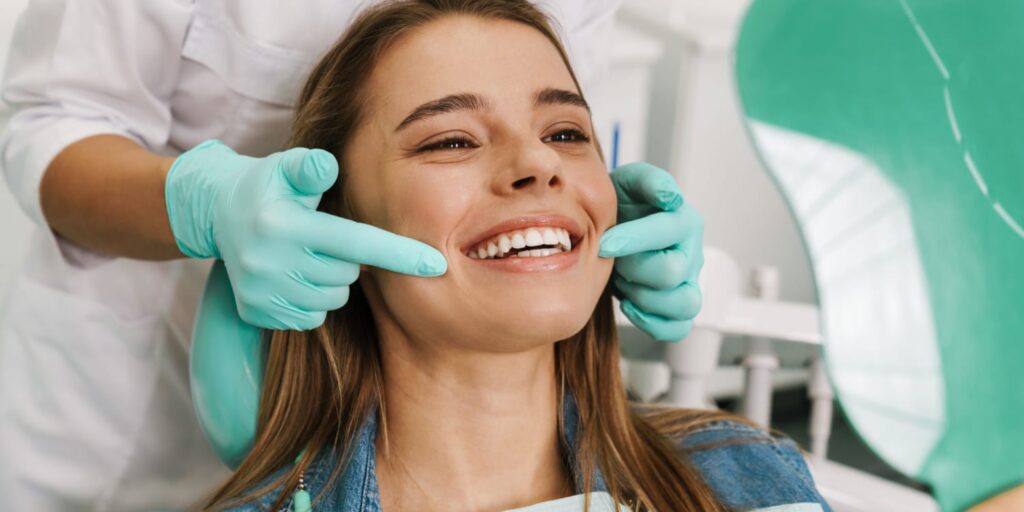
Why Dental Care Costs Are Rising
Dental care has become one of the most significant healthcare expenses for many households. Over the last decade, the cost of dental procedures has steadily increased due to advances in technology, higher operational expenses, stricter regulatory requirements, and growing demand for specialized services. While modern dentistry offers incredible benefits, including digital imaging, dental implants, and cosmetic procedures, these innovations often come with higher price tags. Many patients find themselves postponing treatment because they are concerned about the financial burden, only to discover that delaying care frequently leads to even larger expenses later.
Another factor contributing to rising costs is inflation. Dental offices face increasing expenses for equipment, rent, staff salaries, and supplies. These costs are often passed on to patients through higher treatment fees. At the same time, many people lack comprehensive dental insurance, making routine care and major procedures more difficult to afford. Understanding why dental care is expensive helps patients make informed decisions and identify practical ways to reduce their costs.
Common Expenses That Add Up Quickly
Routine dental expenses may seem manageable at first glance, but they can accumulate rapidly over time. A standard dental cleaning, examination, and X-rays may cost anywhere from $100 to $500 without insurance, depending on the provider and location. Add fillings, crowns, root canals, or orthodontic treatments, and the total expense can quickly reach thousands of dollars.
Many patients underestimate the impact of small recurring costs. Replacing toothbrushes, purchasing floss, mouthwash, and specialty dental products may appear insignificant individually, but together they represent a substantial annual expense. Cosmetic procedures such as teeth whitening and veneers further increase spending, especially when they are not covered by insurance.
Unexpected dental emergencies can also create financial stress. A broken tooth, severe infection, or sudden pain often requires immediate treatment, which may involve emergency fees and costly procedures. Because dental issues rarely resolve on their own, emergency care often becomes unavoidable. Being aware of these common expenses allows individuals to budget more effectively and seek preventive measures that reduce long-term costs.
The Hidden Cost of Delaying Treatment
One of the most expensive mistakes patients make is postponing dental treatment. A small cavity that could have been treated with a relatively inexpensive filling may progress into a serious infection requiring a root canal and crown. The difference in cost can be dramatic, turning a few hundred dollars into several thousand.
Delaying treatment often leads to additional complications that affect overall health. Research has linked poor oral health to conditions such as heart disease, diabetes complications, and respiratory infections. When dental problems worsen, treatment becomes more complex, time-consuming, and expensive. Missing work due to dental pain or multiple appointments also creates indirect financial costs.
Think of oral health like maintaining a car. Ignoring a minor issue such as an oil change may save money today, but it can eventually lead to a costly engine repair. The same principle applies to dental care. Addressing problems early is almost always less expensive than waiting until they become severe. Preventive action remains one of the most effective strategies for controlling dental expenses.
The Importance of Preventive Dental Care
Preventive dental care is often the single most powerful way to save money on oral health. Many expensive dental procedures are preventable through consistent maintenance and early intervention. Preventive care focuses on identifying potential issues before they become major problems, helping patients avoid pain, complications, and significant expenses.
Dental professionals consistently emphasize prevention because it works. Regular cleanings remove plaque and tartar that cannot be eliminated through brushing alone. Early detection of cavities, gum disease, and oral health concerns allows for simpler and more affordable treatment options. Patients who prioritize prevention typically spend less on restorative procedures over their lifetime.
Beyond financial savings, preventive care improves quality of life. Healthy teeth and gums contribute to confidence, comfort, and overall well-being. The modest investment required for preventive care often produces substantial long-term returns, making it one of the smartest healthcare decisions anyone can make.
Regular Checkups as a Money-Saving Strategy
Many people view dental checkups as an optional expense, especially when they are not experiencing pain. In reality, regular dental visits can significantly reduce future costs. Dentists can identify early signs of decay, gum disease, oral cancer, and structural issues before they require expensive interventions.
Routine cleanings help prevent the buildup of harmful bacteria that contribute to tooth decay and periodontal disease. These preventive appointments typically cost far less than restorative treatments. A cleaning may cost a fraction of what a crown, extraction, or implant would require.
Patients who maintain regular checkups often benefit from more predictable dental expenses. Rather than facing sudden emergency treatments, they can address issues gradually and budget accordingly. Establishing a consistent schedule with a trusted dental provider is one of the most practical and cost-effective habits for maintaining oral health.
Daily Habits That Reduce Dental Bills
The most affordable dental care begins at home. Simple daily habits can dramatically reduce the likelihood of expensive treatments. Brushing twice daily with fluoride toothpaste helps remove plaque and strengthen enamel, while flossing removes debris and bacteria from areas that toothbrushes cannot reach.
Diet also plays a major role in oral health. Limiting sugary foods and beverages reduces the risk of cavities and enamel erosion. Drinking water throughout the day helps wash away food particles and supports saliva production, which naturally protects teeth.
Avoiding tobacco products is another important strategy. Smoking and chewing tobacco increase the risk of gum disease, tooth loss, and oral cancer, all of which can result in significant healthcare costs. Small daily actions may seem insignificant, but over years and decades they can save thousands of dollars in dental expenses.
Understanding Dental Insurance
Dental insurance can be a valuable tool for managing oral healthcare costs, but understanding how it works is essential. Many plans cover preventive services at 100%, encouraging regular checkups and cleanings. Basic procedures such as fillings often receive partial coverage, while major services like crowns and root canals may involve higher out-of-pocket costs.
Choosing a plan requires careful evaluation of premiums, deductibles, annual maximums, and provider networks. Some plans offer lower monthly premiums but higher treatment costs, while others provide broader coverage at a higher monthly expense. Evaluating expected dental needs helps determine the most cost-effective option.
Choosing the Right Dental Insurance Plan
Selecting dental insurance should involve more than comparing monthly premiums. Patients should review coverage percentages, waiting periods, annual benefit limits, and network restrictions. A lower premium may not provide the best value if essential procedures receive limited coverage.
Individuals with ongoing dental needs may benefit from comprehensive plans that offer stronger coverage for restorative work. Families often require plans that include orthodontic benefits and pediatric services. Reading policy details carefully prevents unexpected expenses and ensures adequate protection.
Maximizing Your Insurance Benefits
Many policyholders fail to use all available benefits before they expire. Scheduling preventive appointments, completing recommended treatments within the coverage year, and understanding annual maximums can increase savings. Some plans allow patients to spread major procedures across two benefit periods, reducing out-of-pocket expenses.
Communicating with both the dental office and insurance provider helps clarify coverage details. Patients who actively manage their benefits often receive significantly greater value from their insurance plans.
Alternatives to Traditional Dental Insurance
Dental Discount Plans
Dental discount plans have gained popularity as a lower-cost alternative to traditional insurance. Members pay an annual fee in exchange for reduced rates on dental services from participating providers. These plans often have no waiting periods, making them attractive for individuals needing immediate treatment.
While discount plans do not pay claims like insurance, they can provide substantial savings on routine and major procedures. Comparing participating providers and discount percentages helps determine whether a plan offers meaningful value.
Health Savings Accounts (HSAs) and FSAs
Health Savings Accounts and Flexible Spending Accounts provide tax advantages that can reduce dental expenses. Contributions are made using pre-tax dollars, effectively lowering the overall cost of eligible dental services.
Patients can use these funds for cleanings, fillings, crowns, braces, and many other treatments. Strategic use of HSAs and FSAs allows individuals to prepare for expected dental costs while benefiting from tax savings.
Finding Affordable Dental Providers
Community Dental Clinics
Community dental clinics often provide quality care at reduced rates for eligible patients. Many operate on sliding fee scales based on income, making treatment more accessible. These clinics may offer preventive services, fillings, extractions, and other essential treatments at significantly lower costs.
Patients should research local programs and eligibility requirements. Community clinics can be valuable resources for individuals without insurance or those facing financial challenges.
Dental Schools and Training Clinics
Dental schools frequently offer discounted treatment performed by students under close supervision from licensed professionals. Services may take longer than in private practices, but the savings can be substantial.
Procedures such as cleanings, fillings, crowns, and even specialized treatments may be available at reduced prices. For patients seeking affordable care, dental schools represent one of the most effective cost-saving options available.
Smart Ways to Reduce Treatment Costs
Comparing Prices Before Procedures
Dental fees can vary significantly between providers. Obtaining multiple estimates for major procedures allows patients to identify competitive pricing and evaluate treatment recommendations. Asking for itemized cost breakdowns improves transparency and helps avoid unexpected charges.
A comparison table can help illustrate potential savings:
| Procedure | Provider A | Provider B | Provider C |
|---|---|---|---|
| Dental Crown | $1,400 | $1,050 | $1,250 |
| Root Canal | $1,200 | $900 | $1,100 |
| Dental Implant | $4,000 | $3,200 | $3,600 |
Even modest differences can result in substantial savings for complex procedures.
Negotiating Payment Plans
Many dental offices understand that treatment costs can be challenging. Patients should not hesitate to discuss payment arrangements. Some providers offer interest-free financing, installment plans, or discounts for upfront payments.
Open communication often leads to flexible solutions that make necessary treatment more affordable. Exploring financing options before delaying care can prevent larger expenses later.
Saving Money on Dental Products
Choosing Effective Yet Affordable Products
Expensive dental products are not always better. Many affordable fluoride toothpastes and soft-bristle toothbrushes provide excellent oral health benefits. Consumers should focus on products recommended by dental professionals rather than marketing claims.
Store brands often contain similar active ingredients as premium products while costing significantly less. Comparing labels and consulting a dentist can help identify budget-friendly alternatives.
Avoiding Marketing Traps
The dental care aisle is filled with products promising dramatic results. Whitening systems, specialty rinses, and high-tech gadgets may offer benefits, but not all are necessary. Consumers should evaluate whether a product addresses a specific need or simply capitalizes on marketing trends.
Avoiding unnecessary purchases can free up money for preventive care and professional treatment when needed.
Special Strategies for Families
Managing Children’s Dental Expenses
Children require ongoing preventive care, sealants, fluoride treatments, and sometimes orthodontic services. Establishing strong oral hygiene habits early can reduce future treatment costs. Parents should prioritize regular dental visits and monitor dietary habits that contribute to cavities.
Early intervention often prevents more extensive and expensive procedures later. Investing in children’s oral health delivers long-term financial and health benefits.
Family Dental Plans and Group Savings
Many employers and insurance providers offer family dental plans that reduce per-person costs. Group coverage often provides better value than individual policies. Families should compare available options and consider annual dental needs when selecting coverage.
Coordinating appointments for multiple family members can also reduce time away from work and school, creating additional indirect savings.
Long-Term Financial Benefits of Oral Health
Maintaining good oral health produces financial advantages that extend far beyond dental bills. Healthy teeth support proper nutrition, reduce medical complications, and improve professional confidence. Preventive care costs are generally predictable and manageable, whereas major restorative treatments can create unexpected financial strain.
Oral health influences overall wellness in ways that many people overlook. By prioritizing prevention, selecting appropriate insurance or discount plans, comparing providers, and maintaining healthy daily habits, individuals can significantly reduce lifetime dental expenses. Small consistent actions today often generate substantial savings tomorrow.
Conclusion
Saving money on dental care is less about finding shortcuts and more about making smart, consistent decisions. Preventive care, regular checkups, effective home hygiene, strategic use of insurance, and careful comparison of treatment options all contribute to lower long-term costs. Delaying treatment may seem economical in the short term, but it frequently leads to much larger expenses later.
Patients who take a proactive approach to oral health often enjoy healthier smiles, fewer emergencies, and greater financial stability. By combining prevention with informed financial planning, it is entirely possible to maintain excellent dental health without overspending.
FAQs
1. What is the cheapest way to get dental care without insurance?
Community dental clinics, dental schools, and dental discount plans are often the most affordable options for individuals without insurance.
2. How often should I visit the dentist to save money long-term?
Most people benefit from checkups and cleanings every six months, though some may require more frequent visits based on oral health needs.
3. Are dental discount plans worth it?
They can be worthwhile if participating dentists are available in your area and the discounts significantly reduce expected treatment costs.
4. Can brushing and flossing really save money?
Yes. Consistent oral hygiene reduces the risk of cavities, gum disease, and costly restorative procedures.
5. Is it okay to delay a minor dental issue to save money?
In most cases, delaying treatment increases costs because small problems often become more serious and require more expensive procedures later.


Leave a Reply