
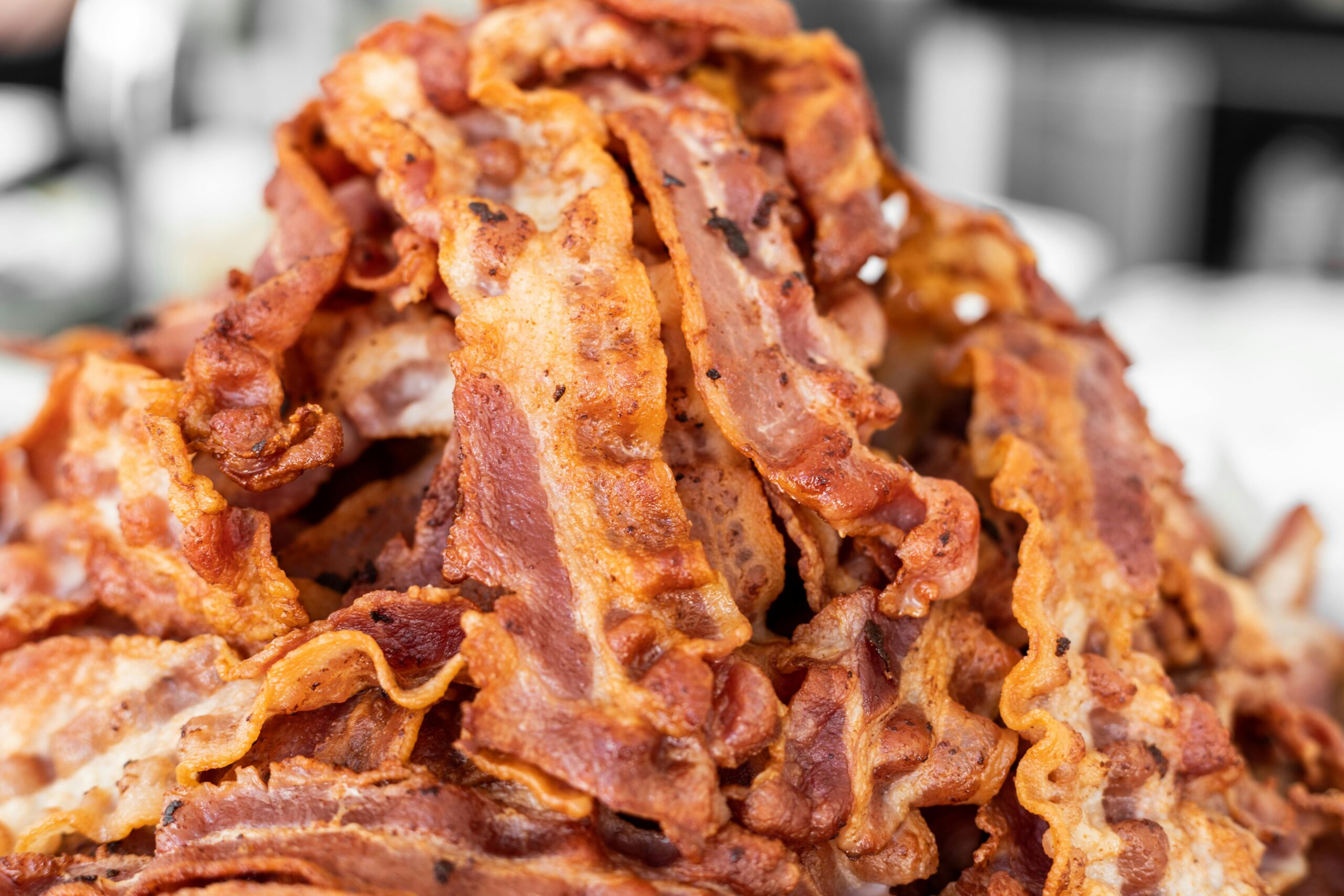
If you’ve ever poured bacon grease down the drain, you’ve been throwing away one of the most flavorful and versatile cooking fats in your kitchen. Learning how to save bacon grease for cooking is one of the simplest frugal habits you can adopt — it costs nothing, reduces waste, and adds incredible smoky depth to everyday meals. In this guide, you’ll learn exactly how to collect, strain, store, and use bacon grease like a pro, whether you’re a seasoned home cook or just getting started.
Why You Should Save Bacon Grease
Bacon grease has been a kitchen staple for generations, especially in Southern cooking traditions. Before vegetable oils became widely available, cooks relied on rendered animal fats — including bacon fat — for almost everything. It’s time to bring that tradition back.
Here are just a few reasons to start saving it today:
- It’s packed with flavor — smoky, savory, and rich in a way no bottled oil can replicate
- It’s completely free — you’re already cooking bacon, so the fat is a bonus byproduct
- It replaces other cooking fats — use it instead of butter, olive oil, or vegetable oil
- It reduces kitchen waste — a zero-waste habit that stretches your grocery budget
- It lasts months in the fridge — so you’ll always have a flavorful fat ready to go
- It’s versatile — works for sautéing, baking, roasting, and seasoning cast iron
What You’ll Need
You don’t need any fancy equipment. Here’s what to gather before you start:
- A fine mesh strainer or a coffee filter (to remove food particles)
- A heat-resistant glass jar — a wide-mouth mason jar works perfectly
- An airtight lid
- A heat-resistant bowl or measuring jug (as an intermediate container while straining)
Avoid plastic containers — hot grease can warp or melt plastic and may leach chemicals into the fat. A glass mason jar with a lid is the gold standard for this.
How to Save Bacon Grease Step by Step
This is the core process. Follow these steps every time you cook bacon and you’ll have a reliable supply of saved grease ready for cooking.
Step 1: Cook your bacon
Cook bacon on the stovetop over medium-low heat or in the oven at 400°F (200°C). Low and slow renders more fat from the strips and produces a cleaner grease with less burning.
Step 2: Remove the bacon and let the grease cool slightly
Once your bacon is done, remove the strips from the pan and set them aside. Let the grease sit in the pan for 5–10 minutes until it cools to around 100°F (38°C). You want it liquid enough to pour, but cool enough to handle safely. Pouring grease that is too hot can crack a cold glass jar.
Step 3: Strain the grease
Place your fine mesh strainer or coffee filter over your mason jar (or a heat-resistant bowl first, then transfer). Slowly pour the warm bacon grease through the strainer. This step is critical — any bacon bits left in the grease will accelerate rancidity and shorten its shelf life significantly.
Step 4: Pour into your glass jar
Transfer the strained grease into your clean, dry mason jar. A wide-mouth jar makes it easy to scoop out spoonfuls later with a spoon or measuring tablespoon.
Step 5: Seal and refrigerate immediately
Put the lid on tightly and place the jar in the refrigerator. The grease will solidify as it cools and turn a pale cream or white color — that’s completely normal and expected.
Step 6: Label the jar (optional but recommended)
Write the date on a piece of masking tape and stick it to the jar. This helps you track how long it’s been stored and when to replace it.
How to Store Bacon Grease: Fridge vs. Freezer
Once you’ve strained and jarred your grease, you have two main storage options depending on how often you cook with it.
Refrigerator Storage
The fridge is the most practical option for regular cooks. Stored properly in an airtight glass jar, bacon grease lasts 3 to 6 months in the refrigerator. Keep the jar at the back of a shelf — not in the door — where the temperature is coldest and most stable.
Freezer Storage
If you don’t cook with bacon grease regularly, the freezer is your best bet. Frozen bacon grease lasts indefinitely without losing flavor or quality. For convenience, pour the strained grease into an ice cube tray before it solidifies. Once frozen, pop the cubes out and store them in a zip-lock freezer bag. Each cube is roughly one tablespoon — perfect for grabbing a single portion without thawing the whole batch.
| Storage Method | Shelf Life | Best For |
|---|---|---|
| Refrigerator | 3–6 months | Regular weekly cooks |
| Freezer (jar) | Indefinitely | Long-term bulk storage |
| Freezer (ice cube tray) | Indefinitely | Pre-portioned daily use |
| Room temperature | ❌ Not recommended | — |
What About Storing at Room Temperature?
You may have seen old-fashioned crocks of bacon grease sitting on kitchen counters in vintage cookbooks or grandmother’s kitchen. While this was once common practice, food safety guidelines today advise against it. Grease stored at room temperature is at higher risk of rancidity and bacterial growth. Refrigerate or freeze it — always.
How to Tell If Bacon Grease Has Gone Bad
Bacon grease doesn’t spoil the same way raw meat does, but it does go rancid over time. Here’s how to spot bad grease before you cook with it:
- Smell test: Fresh bacon grease smells smoky and savory. Rancid grease smells sour, bitter, or “off” — almost like old crayons or stale oil
- Color change: Fresh stored grease is creamy white or pale yellow. If it turns dark brown or develops spots, discard it
- Taste test: If the smell seems borderline, touch a tiny amount to your tongue. Rancid fat tastes sharp and unpleasantly bitter
- Visible mold: Any mold growth means immediate disposal — no exceptions
The biggest culprits that cause grease to go bad faster are unfiltered food particles, a non-airtight lid, and storing it at inconsistent temperatures (like in a fridge door that opens frequently).
When in doubt, throw it out. Bacon is inexpensive enough that you can always render a fresh batch.
10 Best Ways to Use Saved Bacon Grease in Cooking
Now for the fun part — putting that liquid gold to work. Here are the most popular and delicious uses for saved bacon grease:
- Scrambled or fried eggs — replaces butter for a richer, smokier breakfast
- Sautéed vegetables — especially greens like kale, collards, green beans, and Brussels sprouts
- Cornbread — use in place of vegetable oil for a deeply savory, traditional Southern loaf
- Roasted potatoes — toss potato cubes in melted bacon grease before roasting for crispy, flavorful results
- Biscuits — substitute some or all of the butter for bacon fat in homemade biscuit recipes
- Gravy base — use bacon drippings as the fat component when making pan gravy
- Seasoning cast iron skillets — rub a thin layer on your pan after washing to maintain the seasoning
- Sautéed onions and garlic — the base of countless soups and stews gets a flavor upgrade
- Bean and rice dishes — a tablespoon stirred into pinto beans or rice adds depth and complexity
- Salad dressings — warm bacon vinaigrette with apple cider vinegar is a classic
Frequently Asked Questions
How many times can you reuse bacon grease?
You can reuse saved bacon grease multiple times as long as it smells and looks fresh. Strain it again after each use to keep it clean, and always store it airtight in the fridge.
Can you mix new bacon grease with old?
Yes, but only if the old grease is fresh and uncontaminated. Make sure the existing grease passes the smell and color test before adding new fat to it.
Is bacon grease healthier than vegetable oil?
Bacon grease is high in saturated fat, but it’s also free of the trans fats found in some processed vegetable oils. Used in moderation as a flavor enhancer rather than a primary cooking fat, it fits into a balanced diet just fine.
Does the type of bacon matter?
Yes — higher quality bacon (nitrate-free, uncured, or pasture-raised) produces cleaner-tasting grease with better flavor. Heavily processed bacon may leave grease with a saltier or more artificial taste.
Can you use bacon grease in baking?
Absolutely. It works especially well in savory baked goods like cornbread, biscuits, and dinner rolls. Use it in equal substitution for butter or shortening.
Start Saving Today
Saving bacon grease is one of those zero-effort frugal habits that pays off every single time you cook. Once you build the routine — strain, jar, refrigerate—you’ll always have a secret flavor weapon on hand. Whether you’re sautéing vegetables, making cornbread, or roasting potatoes, a spoonful of saved bacon grease transforms an ordinary dish into something truly memorable.
Next time you fry a pack of bacon, resist the urge to pour that grease away. Grab a mason jar, strain it clean, and let it earn its place in your kitchen.


Leave a Reply