
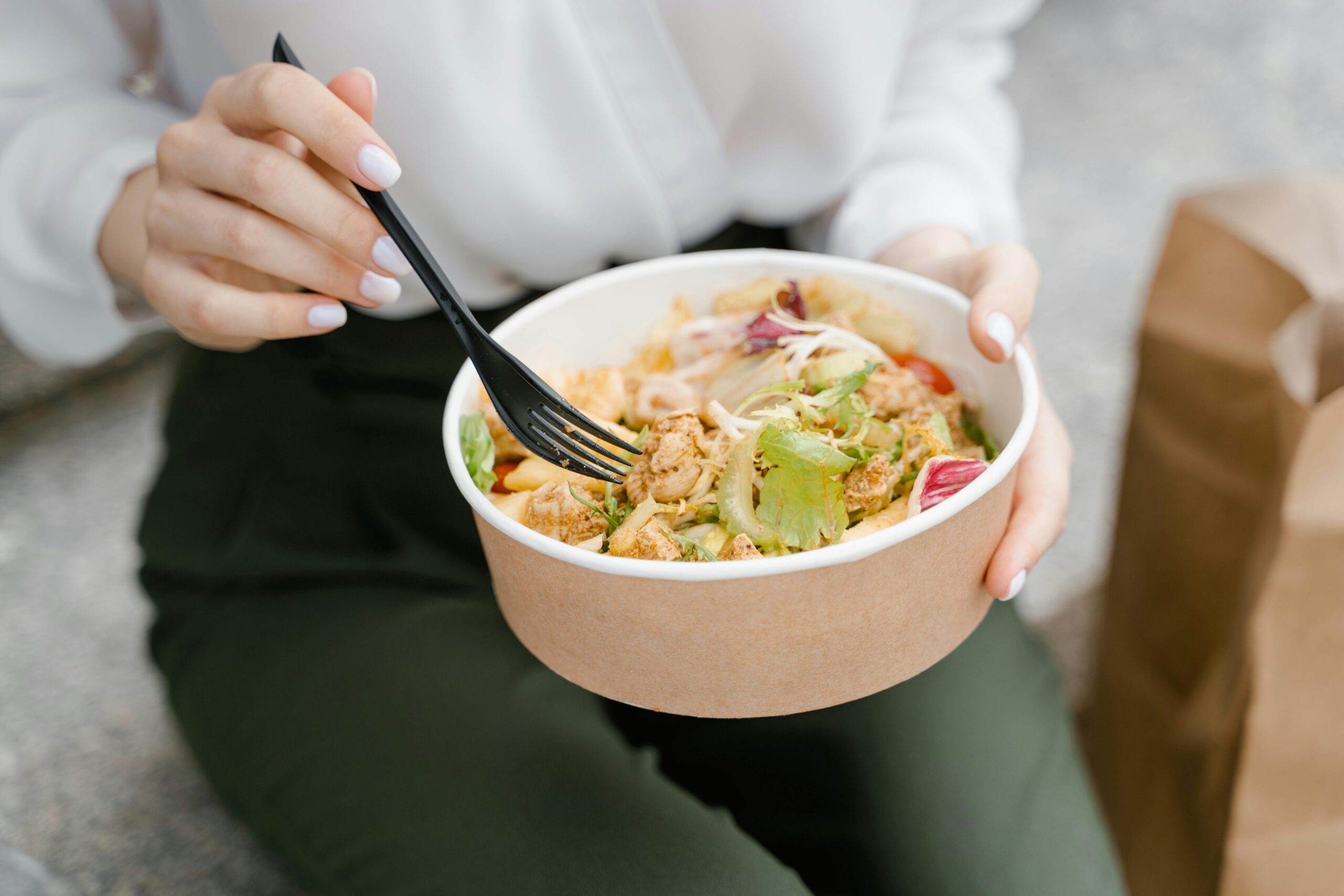
Learning how to be frugal with food is one of the easiest ways to save money without feeling like you’re constantly depriving yourself. With grocery prices climbing and takeout adding up fast, small changes in how you shop, cook, and plan meals can make a big difference in your monthly budget. The good news is that being frugal with food does not mean eating boring meals or cutting out everything you enjoy.
It simply means making smarter choices with what you buy and how you use it. In this post, you’ll learn practical ways to stretch your grocery budget, reduce waste, and make your meals more affordable without sacrificing taste or nutrition.
Start with a plan
The first step in learning how to be frugal with food is to stop shopping without a clear plan. When you go to the store hungry or without a list, it becomes much easier to overspend on random items that don’t actually help you build affordable meals.
Meal planning is one of the simplest frugal habits because it gives every grocery trip a purpose. Instead of buying whatever looks good in the moment, you decide ahead of time what meals you’ll eat during the week and only buy the ingredients you need. That alone can cut down on waste, impulse purchases, and those last-minute takeout orders that eat into your budget.
A good way to begin is by checking what you already have at home before you shop. Look through your fridge, freezer, and pantry, then build meals around those ingredients first. This helps you use food before it expires and makes your grocery list much more efficient.
You do not need to plan every meal perfectly. Even a simple outline for breakfast, lunch, and dinner can help you stay focused and spend less. The more consistent you become, the easier it gets to keep food costs under control without feeling restricted.
Shop with intention
Once you have a plan, the next step is to shop with intention. This means going to the store with a list, sticking to it, and avoiding the trap of buying extra items just because they are on sale or look convenient.
A big part of being frugal with food is learning how to compare value instead of just looking at the lowest price tag. Sometimes the larger package is cheaper per serving, but not always, and sometimes store brands offer the same quality for much less money. Checking unit prices can help you make better choices and avoid paying more than you need to.
It also helps to shop after eating, not when you are hungry. Hunger makes everything look appealing, which usually leads to impulse buys and unnecessary snacks. If you can, choose one or two stores you know well so you can learn their pricing patterns and spot real deals faster.
Another smart habit is to buy only what you will actually use. A discounted item is not a saving if it ends up forgotten in the fridge or pantry. The goal is to spend less overall, not just to collect bargains.
Cut food waste
One of the fastest ways to be frugal with food is to waste less of it. Every spoiled vegetable, forgotten leftover, or expired pantry item is money that was spent and never used.
Start by storing food properly so it lasts longer. Keep leftovers in clear containers, place older items at the front of the fridge, and freeze anything you won’t use soon. A simple “use first” section in your fridge or pantry can help prevent food from getting buried and forgotten.
It also helps to get creative with leftovers instead of treating them as separate meals. Roast chicken can become sandwiches, rice can turn into fried rice, and vegetables can be added to soups or omelets. These small habits make your groceries stretch further without requiring extra spending.
You can also build meals around ingredients that are close to expiring. That approach reduces waste and keeps you from throwing away food at the end of the week. Over time, this habit can save a noticeable amount of money and make your kitchen feel much more organized.
Cook in batches
Batch cooking is one of the easiest ways to save money and time at the same time. When you cook larger portions at once, you use your ingredients more efficiently, reduce the temptation to order takeout, and always have something ready for busy days.
Meals like soups, stews, pasta dishes, rice bowls, and casseroles are especially good for frugal cooking because they use inexpensive ingredients and stretch well. You can cook once and eat several times, which lowers the cost per meal and keeps your weekly food spending more predictable.
Another advantage of batch cooking is that it helps you use appliances and energy more efficiently. Instead of turning on the oven or stove many times during the week, you can prepare multiple meals in one session. That small adjustment can add up over time, especially if you are trying to keep household costs under control.
You do not need to spend an entire day in the kitchen to make this work. Even cooking a double portion of dinner and saving the extra for lunch the next day is a simple step in the right direction.
Keep a simple pantry
A well-stocked pantry makes frugal eating much easier because it gives you a base for cheap meals at all times. Staples like rice, pasta, oats, beans, canned tomatoes, lentils, and frozen vegetables can be turned into a wide range of low-cost meals without a lot of planning.
The key is to buy these items gradually and use them consistently. Once you have a small set of reliable staples, you can build meals around whatever is already in your kitchen instead of starting from scratch every time. That reduces unnecessary store trips and helps you avoid convenience purchases.
A simple pantry also makes it easier to take advantage of sales. If you know what you already have, you can stock up only on items you truly use often and skip the rest. Over time, this creates a more efficient kitchen and a lower grocery bill.
Conclusion
Learning how to be frugal with food is really about building small, sustainable habits that make your money go further. When you plan meals, shop with a list, reduce waste, cook in batches, and keep a useful pantry, saving money becomes much easier and far less stressful.
The best part is that frugal eating does not have to feel restrictive. With a little structure and consistency, you can eat well, waste less, and keep more money in your pocket every month.
FAQ
How can I be frugal with food?
You can be frugal with food by planning meals, shopping with a list, buying only what you need, and using ingredients before they spoil.
What is the cheapest way to eat every day?
The cheapest way to eat every day is to cook at home using low-cost staples like rice, pasta, beans, oats, potatoes, and eggs.
How do I spend less on groceries?
Spend less on groceries by checking what you already have, comparing prices, buying store brands, and avoiding impulse purchases.
What foods should I buy on a budget?
Good budget foods include canned beans, lentils, frozen vegetables, eggs, oats, rice, pasta, and seasonal produce.
How do I reduce food waste and save money?
You can reduce food waste by storing food correctly, freezing extras, using leftovers in new meals, and building meals around items that need to be used first.
Is meal planning good for saving money?
Yes, meal planning is one of the best ways to save money because it helps you shop with purpose and avoid unnecessary spending.
How can I eat healthy on a tight budget?
Eat healthy on a tight budget by focusing on simple whole foods, cooking at home, and using affordable ingredients that can be stretched across multiple meals.
What are some frugal meal ideas?
Frugal meal ideas include soups, stews, stir-fries, pasta dishes, rice bowls, omelets, and casseroles made from inexpensive ingredients.
How do I make cheap meals taste better?
You can make cheap meals taste better by using herbs, spices, garlic, onions, sauces, and cooking methods that build more flavor.
What is the best way to shop frugally for food?
The best way to shop frugally is to make a list, compare unit prices, buy store brands, and only purchase items you know you will use.


Leave a Reply