
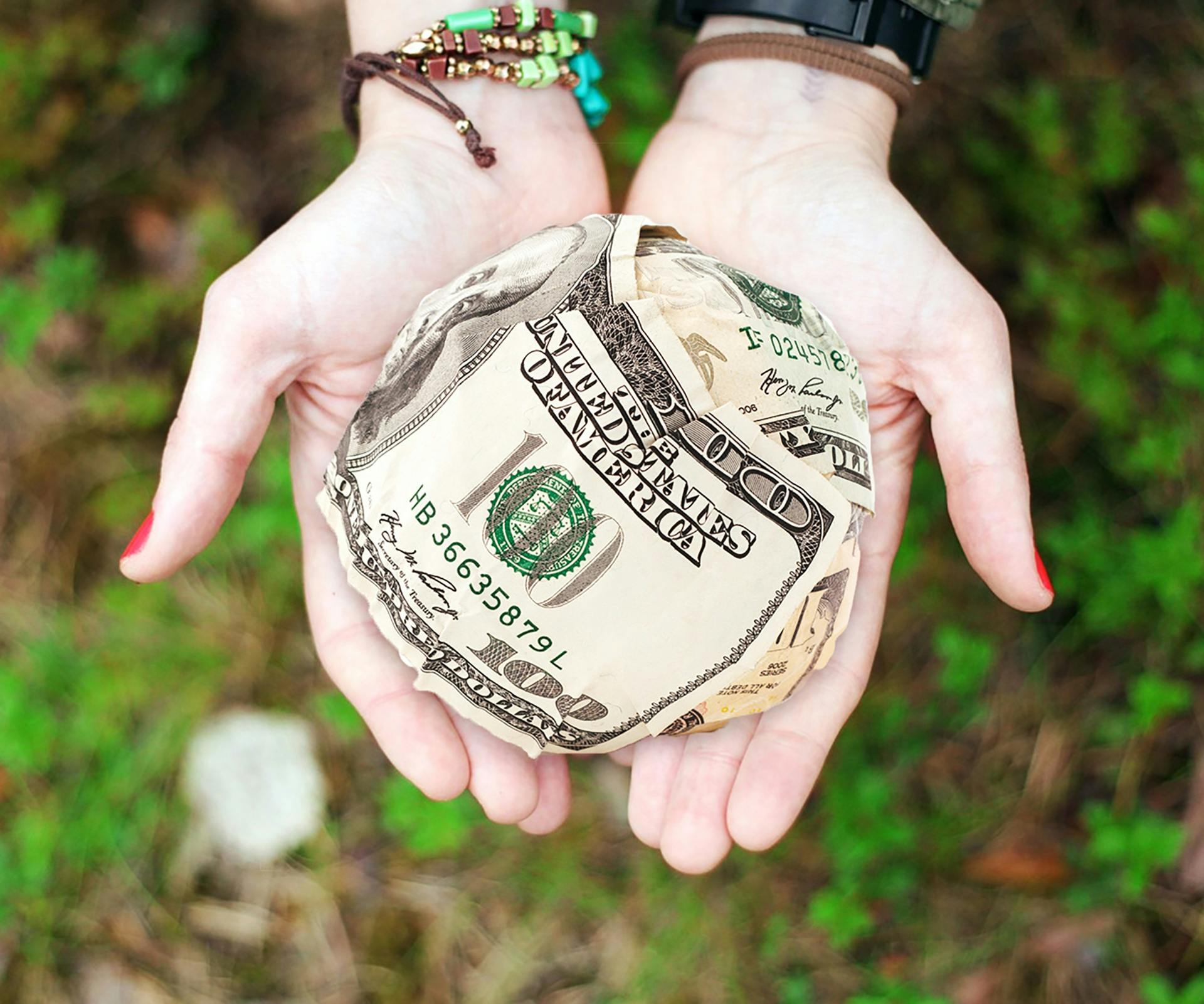
Finding the right food to bring on vacation to save money is the ultimate secret weapon for any savvy traveler looking to beat “vacation inflation” in 2026. Let’s be real: nothing kills a vacation buzz faster than realizing you just dropped $85 on a mediocre “tourist trap” lunch that left everyone still feeling hungry. Between surging resort prices and the dreaded $14 airport sandwich, the cost of eating out three times a day can easily double the price of your entire trip.
But here’s the thing, frugal travel isn’t about deprivation or eating cold beans out of a can in your hotel room. It’s about strategic meal planning. By being intentional with the snacks and staples you pack, you aren’t just saving pennies; you’re reclaiming your budget for the things that actually matter, like that sunset catamaran cruise or the front-row tickets to a show.
The Frugal Truth: Every $50 you save by packing your own snacks is $50 you can reinvest into your “memory bank.” It’s not about being “cheap” it’s about being a high-value traveler who refuses to pay a premium for convenience.
Whether you’re prepping for a 10-hour road trip or trying to navigate TSA regulations with a suitcase full of protein, this guide will show you exactly how to fuel your adventures without draining your bank account.
Why “Pre-Loading” Your Travel Food is a Financial Game Changer
When you’re traveling with a crew, the “little” expenses don’t stay little for long. In the 2026 economy, a simple drive-thru run for a family of four can easily tip over $60, and don’t even get me started on the $9 “grab-and-go” fruit cups at the airport. For a family, the decision to bring your own food isn’t just a minor savings hack it’s the difference between a stressed-out budget and a stress-free getaway.
Think of it as “The Multiplier Effect.” If you save $40 a day by packing snacks and one meal, that’s $280 saved over a week-long trip. That’s a fancy dinner at a local bistro or a guided tour you thought you couldn’t afford.
Beyond the math, pre-loading your food offers three major family “wins”:
- Eliminating the “Hangry” Tax: We’ve all been there the kids are melting down, you’re tired, and suddenly that overpriced $25 hotel burger looks like a bargain just to keep the peace. When you have high-protein snacks ready, you make decisions based on hunger, not desperation.
- Quality Control: Travel food is notoriously high in sodium and sugar. Packing your own ensures your kids aren’t crashing from a “sugar high” halfway through a museum tour.
- Time Efficiency: Spending 45 minutes finding a kid-friendly restaurant and waiting for a table is time you could be spending at the beach.
The “Cooler Crew”: Fresh & Filling Essentials for Families
If you’re heading out on a road trip or staying in a rental with a fridge, the “Cooler Crew” is where you’ll see the biggest dip in your travel expenses. When you have fresh options on hand, you avoid the heavy, greasy feeling of fast food and the heavy price tag that comes with it.
For families, the goal is zero-prep portability. You want foods that kids can grab without needing a plate or a fork while you’re cruising down the highway.
- The “Unstoppable” Proteins: Hard-boiled eggs (pre-peeled!), string cheese, and individual Greek yogurt cups. These are satiety powerhouses that prevent the “I’m bored-hungry” whining every 20 minutes.
- Sturdy Fruits & Veggies: Avoid berries that turn to mush. Instead, go for “The Big Three”: grapes, apple slices (tossed in a little lemon juice to prevent browning), and baby carrots. They stay crunchy and fresh even if your ice packs start to sweat.
- The “Sandwich Station” Hack: Don’t pre-make sandwiches they get soggy. Instead, pack a container with pre-sliced deli meat and cheese slices. When hunger strikes, use a tortilla or a wrap instead of bread. Wraps take up 70% less space in a cooler and don’t get smashed!
Hotel Room “Cooking”: Winning Breakfast and Dinner Without a Kitchen
Let’s talk about the “Breakfast Tax.” Most hotels in 2026 charge upwards of $20 per person for a buffet that usually consists of lukewarm eggs and soggy toast. For a family of four, that’s $80 before you’ve even left the building!
Here is how you turn a standard hotel room into a mini-bistro to maximize your list of food to bring on vacation to save money:
The Breakfast Revolution
- Overnight Oats: Pack dry oats, chia seeds, and a bit of cinnamon in a reusable silicone bag or Mason jar. Just add milk or water from the lobby the night before, and you have a gourmet breakfast waiting in the mini-fridge.
- Instant Oatmeal & The Coffee Maker: Use the hotel’s coffee maker or electric kettle to get instant hot water for oatmeal bowls.
- Bread & Spreads: A simple loaf of high-quality sourdough and a jar of nut butter can provide three days of filling breakfasts for under $10.
The “No-Cook” Dinner Strategy
If you’ve spent all day at a theme park or hiking, the last thing you want to do is wait 45 minutes for a table at a crowded restaurant.
- Rotisserie Chicken Tacos: If you can hit a local grocery store on day one, grab a pre-cooked rotisserie chicken. Use your packed tortillas, a bag of pre-washed slaw, and some taco sauce packets. It’s a $15 meal that feeds everyone.
- The “Indoor Picnic”: This is a huge hit with kids. Lay a towel on the hotel floor and serve a “Charcuterie Board” (fancy word for Lunchables) with crackers, cheese, grapes, and summer sausage. It’s fun for them and stress-free for you.
| Meal | Tourist Price (Family of 4) | DIY Price (Packed/Groceries) | Total Savings |
| Breakfast | $80.00 | $8.00 | $72.00 |
| Lunch | $65.00 | $12.00 | $53.00 |
| Snacks | $25.00 | $5.00 | $20.00 |
| Daily Total | $170.00 | $25.00 | $145.00 |
Kid-Friendly Hacks: Making Frugality Feel Like a Treat
The key to getting kids on board with “bringing food from home” is the Novelty Factor. If they feel like they’re missing out on the colorful snacks at the gas station, they’ll be grumpy.
- The “Snackle Box”: Take a cheap craft organizer or a multi-compartment tackle box and fill each small square with a different treat, goldfish, M&Ms, pretzels, and grapes. It keeps them busy, prevents messes, and feels like a game.
- The “Vacation-Only” Snack: Allow them to pick one “special” treat at the grocery store before you leave that they usually aren’t allowed to have at home. This makes the packed food feel like a reward rather than a restriction.
Non-Perishable Essentials: Suitcase Staples for Families
When looking for the best food to bring on vacation to save money, durability and protein are your best friends. You want items that won’t crush in a backpack or spoil if the flight is delayed. Here are the “Heavy Hitters” every family should pack:
- The “Protein Punch”: Single-serve beef jerky sticks, roasted chickpeas (much cheaper and healthier than chips!), and protein bars. Pro-Tip: Look for brands with at least 10g of protein to actually keep the kids full.
- DIY Trail Mix: Pre-packaged trail mix is often 60% raisins and overpriced. Buy bulk almonds, pretzels, and dark chocolate chips before you leave to create a custom “Family Power Mix.”
- Pouches That Pass Security: For those flying, 2026 TSA rules still allow fruit and veggie pouches (classified as baby/toddler food) even in larger sizes if you have a young child. They are mess-free and provide a rare serving of greens on the go.
- Hydration Heroes: Skip the $5 plastic water bottles. Pack reusable bottles for everyone and a stash of electrolyte or sugar-free flavor packets. It turns “boring” airport water into a treat.
TSA Secrets for Families: Flying with Food in 2026
Flying with a family can feel like a logistical puzzle, but bringing your own food is the single best way to avoid the “Airport Tax.” In 2026, TSA rules are still firm on the 3-1-1 liquid limit, but there are some high-value loopholes and strategies specifically for families.
The “Spreadability” Rule
The most common mistake parents make is packing “liquid” snacks like yogurt tubes, hummus, or peanut butter jars. TSA defines a liquid as anything you can “pour, pump, or spread.” * The Hack: If you want peanut butter, pack the individual 1.1oz squeeze packs or pre-make the sandwiches. Once the peanut butter is inside the sandwich, it’s a solid. If it’s in a jar, it’s a liquid.
The “Baby Food” Exception (A Lifesaver for Toddlers)
If you are traveling with an infant or toddler, the rules change in your favor. TSA classifies formula, breast milk, and baby/toddler food (including puree pouches) as medically necessary liquids.
- These can exceed the 3.4oz limit.
- You do not need to fit these in your quart-sized bag.
- Action Step: Inform the officer at the start of the line that you have these items. They will likely be screened separately, so keep them in an easy-to-reach “Clear Go-Bag” to save time.
Frozen is Fine
Want to bring fresh milk or yogurt for a long flight? If it is completely frozen solid when you reach the security checkpoint, it’s a solid, not a liquid.
- The Trick: Freeze your organic yogurt tubes or juice boxes the night before. They act as “ice packs” for your other snacks and will thaw out just in time for a mid-flight treat. Note: If they are slushy or melting, they may be confiscated.
Pro-Tips for Packing and Logistics
Saving money is great, but nobody wants a “suitcase smoothie” or a backpack full of crumbs. Use these pro-hacks to keep your food to bring on vacation to save money fresh and organized:
- The “Condiment Hoarder” Strategy: Never buy a full jar of mustard or mayo for a trip. In the weeks leading up to your vacation, save those extra packets from takeout orders. They are TSA-approved, take up zero space, and require no refrigeration.
- Remove the Bulk: Cardboard boxes are the enemy of packing. Take the granola bars and crackers out of their boxes and put them in reusable silicone bags. You’ll fit twice as much in half the space.
- The “Sacrificial” Cooler Bag: Pack your snacks in a collapsible insulated bag. Once the food is eaten, the bag folds flat, leaving you extra room in your luggage for souvenirs on the way home.
Conclusion: Travel More, Spend Less
At the end of the day, being a “frugal” traveler isn’t about being cheap; it’s about being resourceful. Every $100 you save by packing your own food is $100 you can spend on a surfing lesson, a local museum tour, or a better hotel room.
By strategically choosing the right food to bring on vacation to save money, you take the stress out of travel. No more hunting for “cheap eats” while the kids are crying, and no more buyer’s remorse when you check your credit card statement after the trip. So, grab that “snackle box,” freeze those yogurt tubes, and get ready for a vacation that tastes great and feels even better for your bank account.
What is your family’s “must-have” vacation snack? Do you have a secret hotel cooking hack we missed? Share your best tips in the comments below—we love learning from our community of frugal explorers!

Leave a Reply