
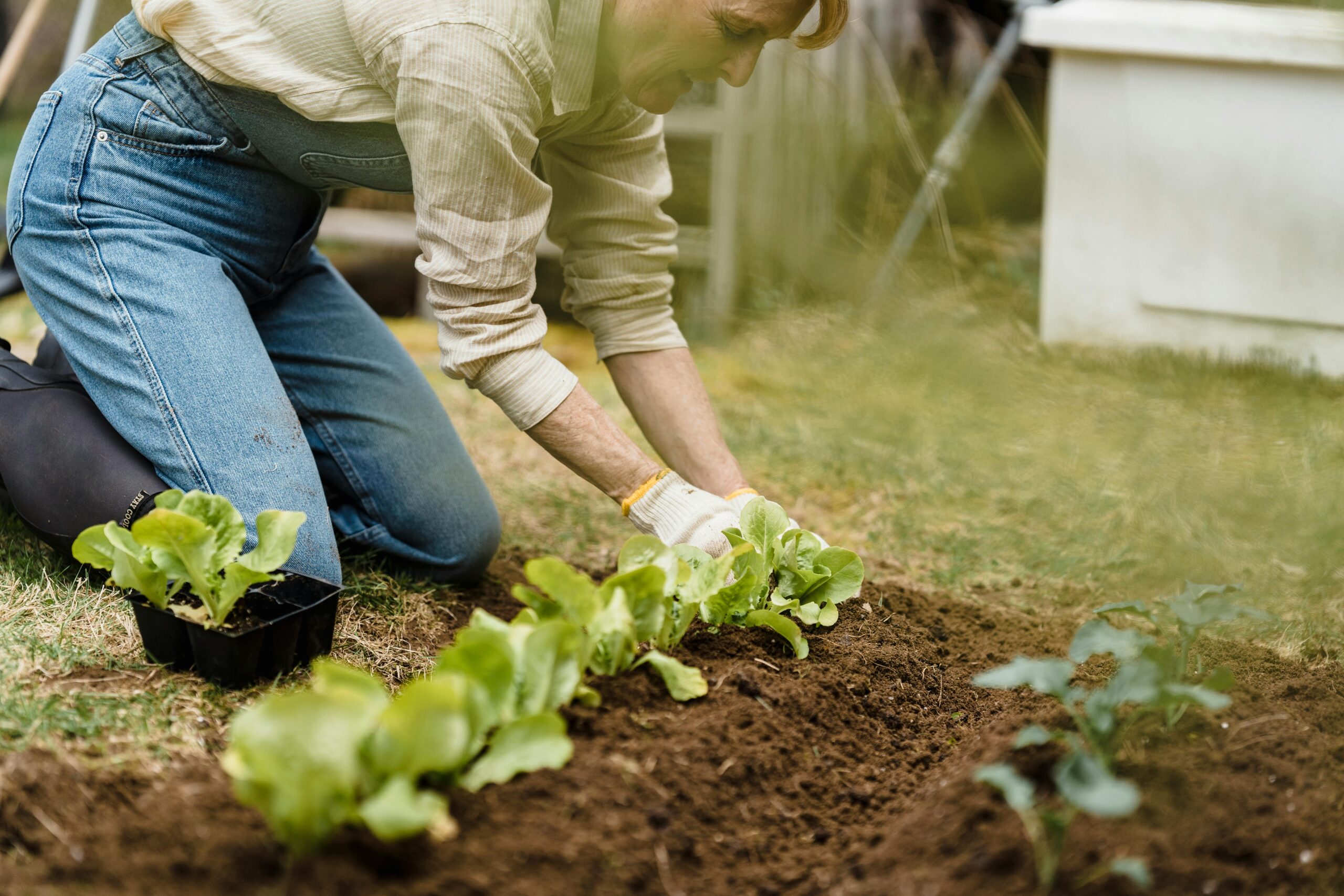
Let’s be real: walking through the produce aisle in 2026 feels a bit like a high-stakes heist. When a puny head of organic cauliflower starts pushing the $8 mark, it’s no wonder so many of us are looking at our backyards—or even just a sunny windowsill—with newfound ambition. But here’s the trap I see far too many people fall into: they spend $500 on cedar raised beds, designer soil, and “smart” irrigation systems just to grow $20 worth of zucchini. That’s where frugal gardening comes in. It’s the strategic art of producing a massive, nutrient-dense harvest without the “premium” price tag, and honestly, it’s the only way I’ve managed to keep my grocery budget under control while still eating like a king.
I’ve spent years experimenting with what works and what’s just marketing fluff. In my opinion, the gardening industry has done a fantastic job of convincing us that we need specialized gadgets for tasks that a repurposed yogurt container and a bit of patience can handle just as well. I’ve learned the hard way that plants don’t actually care if their “home” is a $60 ceramic planter from a boutique shop or a 5-gallon bucket rescued from the local bakery’s recycling bin.
“Frugality in the garden isn’t about being cheap; it’s about being resourceful. It’s about turning what most people consider ‘waste’ into wealth.”
If you’re tired of the “$64 tomato” syndrome and want to start seeing a genuine Return on Investment (ROI) from your backyard, you’re in the right place. I’m breaking down my personal favorite strategies to help you master the craft of low-cost cultivation. From seed-saving secrets to DIY fertilizers that actually work, let’s dive into how you can make your thumb green without seeing red on your bank statement.
Continuing our journey into the world of frugal gardening, let’s tackle the two biggest “money pits” for beginners: buying pre-grown plants and purchasing bags of soil.
If you want to see a real return on your investment, these are the first two habits you need to break.
1. Start from Seeds (and Save Them Yearly)
I’ll be the first to admit that those lush, green four-packs of tomato starts at the nursery are tempting. They look “ready to go.” But from a personal finance perspective, buying transplants is like buying a pre-made sandwich every day instead of a loaf of bread.
The Price Difference
A single organic tomato transplant in 2026 can easily run you $5.00 to $7.00. For that same price, you can buy two entire packets of seeds containing roughly 50–100 potential plants. That is a massive markup for a little bit of dirt and a plastic pot. By starting from seed, you’re essentially paying pennies per plant.
The Heirloom Strategy
If you want to make your gardening truly “set it and forget it” for your budget, buy heirloom seeds.
- Hybrids are bred for specific traits but their seeds won’t grow “true to type” next year.
- Heirlooms allow you to save the seeds from your best-performing fruit, dry them, and plant them again next season.
This creates a “closed-loop” system where you never have to buy those seeds again. To me, that’s the ultimate frugal win—it’s like an investment that pays dividends in perpetuity.
Pro Tip: Don’t buy expensive seed-starting trays. Use egg cartons, rotisserie chicken containers (they act like mini-greenhouses), or even “soil blocks” to save on plastic waste and cash.
2. DIY Composting: Stop Buying “Black Gold”
If you’re still driving to the big-box store to buy $10 bags of “organic garden soil,” we need to talk. Most of that bagged stuff is just peat moss and a little bit of fertilizer. In my experience, the best “black gold” for your garden is currently sitting in your kitchen trash can.
The Kitchen-to-Garden Pipeline
Composting is the backbone of frugal gardening. It’s essentially free food for your plants. You don’t need a $200 tumbling bin to do this effectively. You just need a spot in the yard or a simple DIY bin.
What to include (The “Green and Brown” Balance):
- Greens (Nitrogen): Vegetable scraps, coffee grounds, and fresh grass clippings.
- Browns (Carbon): Cardboard boxes (shredded), dry leaves, and even those old newspapers you have lying around.
Low-Cost Bin Solutions
Ignore the fancy gadgets. My favorite low-cost method? The “Pallet Bin.” You can almost always find heat-treated (marked “HT”) pallets for free behind local hardware or grocery stores. Zip-tie three or four together, and you have a high-volume compost station that costs exactly $0.
By making your own compost, you aren’t just saving the $50–$100 you’d spend on soil amendments; you’re also reducing your household waste. It’s a double-whammy for your wallet and the planet.
Comparison: The “Nursery” Start vs. The “Frugal” Start
| Expense | The “Typical” Way | The Frugal Way |
| 10 Tomato Plants | $60.00 (Transplants) | $0.50 (Seed packet fraction) |
| 5 Bags of Compost | $45.00 | $0.00 (Kitchen Scraps) |
| Seed Trays/Pots | $25.00 | $0.00 (Upcycled containers) |
| Total | $130.00 | $0.50 |
Total Savings: $129.50 — and we haven’t even talked about the water bill yet!
Should we move on to the “Upcycling” and “Soil Health” sections next, or would you like to tweak the tone of these first two points?
Now that we’ve bypassed the nursery and started our own “Black Gold” factory, it’s time to talk about the infrastructure. If you’ve ever walked through a garden center and seen a $150 “rustic” wooden planter or a $40 metal trellis, you know how fast frugal gardening can turn into a luxury hobby.
Let’s look at how to build a high-yielding garden using items that most people literally throw away.
3. Upcycle Your Way to a Beautiful (and Free) Garden
In my opinion, the “aesthetic” garden movement on social media has done a massive disservice to our wallets. You don’t need matching terracotta pots or cedar-planked raised beds to grow world-class kale.
The “Bakery Bucket” Hack
If you need containers, stop buying them. Walk into your local bakery or grocery store deli and ask for their empty 5-gallon icing or pickle buckets. Most of the time, they just toss them.
- The Cost: $0.00.
- The Task: Drill a few drainage holes in the bottom, and you have a heavy-duty planter that will last a decade. I’ve grown everything from peppers to potatoes in these, and they perform just as well as the $30 “smart pots.”
Free Trellising
Vertical gardening is essential for small spaces, but cattle panels and pre-made trellises are surprisingly pricey in 2026.
- The Frugal Fix: Use fallen branches and some old twine to create a “teepee” for your beans or cucumbers. Not only is it free, but it also gives your garden a charming, organic look that those plastic-coated wire cages just can’t match.
4. Soil Health: The “Lasagna” Method
If you have a patch of grass and want to turn it into a garden, don’t go out and rent a tiller. Not only is it back-breaking work, but renting equipment is a hidden drain on your garden’s ROI. Instead, I’m a huge advocate for Sheet Mulching (also known as Lasagna Gardening).
How to Build Soil for $0:
- The Base Layer: Lay down plain brown cardboard (remove the tape!) directly over your grass. This smothers weeds and attracts earthworms.
- The “Green” Layer: Add a layer of nitrogen-rich material like fresh grass clippings or those kitchen scraps we talked about earlier.
- The “Brown” Layer: Top it with dried leaves, shredded paper, or straw.
By the time planting season rolls around, the cardboard has decomposed, and you have rich, loamy soil that you didn’t have to spend a dime to haul or till. It’s the “lazy” gardener’s secret to a high-yielding plot.
5. Water Wisdom: Lowering Your Utility Bill
Water costs are the “silent killer” of a garden budget. If you’re standing out there with a hose every evening, you’re literally spraying money into the dirt—and much of it evaporates before the plants even use it.
The Olla Method (The Frugal Version)
An “Olla” is an unglazed clay pot buried in the ground that slowly seeps water to the roots. Buying a “designer” Olla can cost $40.
- The Hack: Buy a basic $2 terracotta pot, plug the bottom hole with a cork or some waterproof caulk, and bury it. Fill it with water once or twice a week.
- The Result: Your plants stay hydrated at the root level, and you reduce your water usage by up to 70%.
“Efficiency is the highest form of frugality. In the garden, that means watering the roots, not the weeds.”
Rain Barrels
In 2026, many municipalities actually offer rebates or even free barrels to encourage rainwater harvesting. Check your city’s website before you buy one. Even a simple trash can positioned under a downspout can save you hundreds of gallons of “city water” over a hot summer.
Frugal Tool-Kit Checklist
Before you head to the hardware store, see if you can find these items for free:
- Milk Jugs: Cut off the bottom to create “cloches” (mini-greenhouses) for early spring plants.
- Old Spoons: Perfect as indestructible plant markers (just write on them with a permanent marker).
- Wine Corks: Stick them on the ends of bamboo stakes to prevent yourself from getting poked in the eye while weeding.
How are we feeling about these sections? Ready to move on to Propagating and High-ROI Crops, or should we add a section on where to find these “free” resources in a typical neighborhood?
We’ve covered the “how” and the “where,” but now let’s talk about the “more.” If frugal gardening is about optimization, then propagation is the ultimate “buy one, get ten free” deal. This is where we stop being just gardeners and start becoming plant-manufacturing moguls.
6. Propagate Like a Pro (The Infinite Plant Glitch)
In my opinion, propagation is the closest thing we have to a legal “infinite money glitch.” Why buy five rosemary bushes for $15 each when you can buy one, take cuttings, and have a hedge by next year?
The Herb Hack
Herbs are some of the most expensive items in the produce aisle, and the plants themselves aren’t cheap at the nursery. However, many—like basil, mint, and rosemary—root incredibly easily in just a glass of water.
- The Method: Snip a 4-inch stem, remove the bottom leaves, and stick it in a jar on your windowsill. In two weeks, you’ll see roots.
- The ROI: You’ve just turned a $4 grocery store “clamshell” of herbs into a perennial asset.
Regrowing Kitchen Scraps
Don’t toss the “butt” of your green onions, celery, or romaine lettuce. Put them in a shallow bowl of water. They will regrow enough for a second (or third) harvest. It’s a small win, but in the world of frugal living, those small wins compound.
7. Pest Control from Your Pantry
Commercial organic pesticides in 2026 are priced like vintage wine—I’ve seen bottles of Neem oil spray go for $22. That’s a budget killer. Instead, I look to my kitchen cabinets first.
The “All-Purpose” DIY Pest Spray
You can handle 90% of garden pests (like aphids and spider mites) with a simple mixture you can make for pennies.
| Ingredient | Purpose | Cost per Batch |
| Water (1 Quart) | Base | $0.00 |
| Castile/Dish Soap (1 tsp) | Suffocates soft-bodied pests | ~$0.05 |
| Cayenne Pepper (Pinch) | Repels mammals/chewers | ~$0.02 |
| Garlic (1 clove, crushed) | Natural antifungal/repellent | ~$0.10 |
| Total | $0.17 |
Pro Tip: Always test a DIY spray on one leaf first to make sure it doesn’t “burn” the plant in the sun. Frugality is only profitable if the plants actually survive!
8. Shopping the “Off-Season” for Big Wins
As a finance nerd, I treat garden shopping like the stock market: Buy when others are selling. ### The “Scratch and Dent” Strategy Around July and August, big-box stores start panic-selling their “ugly” plants. These are usually just thirsty or root-bound. I’ve rescued $30 blueberry bushes for $5 because they looked a little wilted. With some of that free compost we made and a deep watering, they bounce back in a week.
The October Soil Haul
The best time to buy those few bags of specialized soil or mulch you actually need? Late October. Stores don’t want to store bulky pallets over the winter. I’ve snagged bags of premium potting mix for 75% off just by asking a manager if they’d take a deal to clear the space.
9. Focus on “High ROI” Crops
This is a personal pet peeve of mine: growing things that are cheap to buy. If you’re tight on space and money, don’t grow potatoes or onions. They are dirt cheap at the store and take up a lot of room for a long time.
Instead, focus your frugal gardening efforts on:
- Fresh Herbs: High cost per ounce at the store.
- Salad Greens: Highly perishable and expensive when organic.
- Berries: High-yield perennials that get more productive (and valuable) every year.
- Indeterminate Tomatoes: One plant can provide 20+ lbs of fruit over a season.
We’re coming down to the home stretch! Should I wrap this up with the “Community” section and a killer Conclusion, or do you want to dive deeper into some specific “Free Fertilizer” recipes (like Weed Tea or Fish Emulsion)?
We’ve talked about the “stuff” the seeds, the soil, and the sprays. But the final secret to mastering frugal gardening isn’t found in your backyard; it’s found in your neighborhood.
10. Join the “Garden Commons” (Community Sharing)
In my opinion, the biggest waste of money in gardening is the “one-use” tool. Why should every house on the block own a $60 post-hole digger or a $150 broadfork that only gets used once a year?
Seed Libraries & Tool Banks
Before you buy anything new, check your local library. Many public libraries in 2026 have branched out into Seed Libraries, where you can “borrow” seeds for free with the understanding that you’ll let a few plants go to seed in the fall and bring some back.
Additionally, look for “Tool Libraries” or neighborhood “Buy Nothing” groups. I once saw a brand-new pressure sprayer and three rolls of chicken wire given away for free just because someone was moving. Your neighbors are your best resource for keeping your overhead at zero.
The Power of the Barter
If you have an abundance of tomatoes but no citrus, don’t head to the store. Trade!
- The Frugal Math: One bag of surplus zucchini = a dozen fresh eggs from the neighbor with chickens.
- The ROI: You’ve both bypassed the grocery store and strengthened your community ties. That’s a win-win that doesn’t show up on a bank statement but definitely shows up in your pantry.
Conclusion: Cultivating Abundance on a Budget
At its core, frugal gardening isn’t just about saving a few dollars on a head of lettuce. It’s about reclaiming your autonomy in an era where food prices feel increasingly out of our control.
By shifting your mindset from a “consumer” (who buys solutions in a bag) to a “producer” (who builds systems from scratch), you turn your garden into a high-yielding asset. I’ve found that the most rewarding harvests aren’t the ones grown with the most expensive equipment—they’re the ones grown with a bit of ingenuity, a lot of compost, and almost no money down.
Remember: Nature has been growing things for millions of years without a single trip to a big-box store. You can, too.
Final Checklist for Your Frugal Garden Journey:
- [ ] Audit your trash: Can that container be a pot? Can that scrap be compost?
- [ ] Buy seeds, not plants: Stick to heirlooms for long-term savings.
- [ ] Check the “Commons”: Scour local groups for free tools and seed swaps.
- [ ] Water smart: Use Ollas or rain barrels to keep the utility bill low.
Which of these frugal hacks are you trying this weekend? Do you have a “trash-to-treasure” garden story that saved you a fortune? Drop a comment below—I’d love to hear how you’re beating inflation one seed at a time!


Leave a Reply