
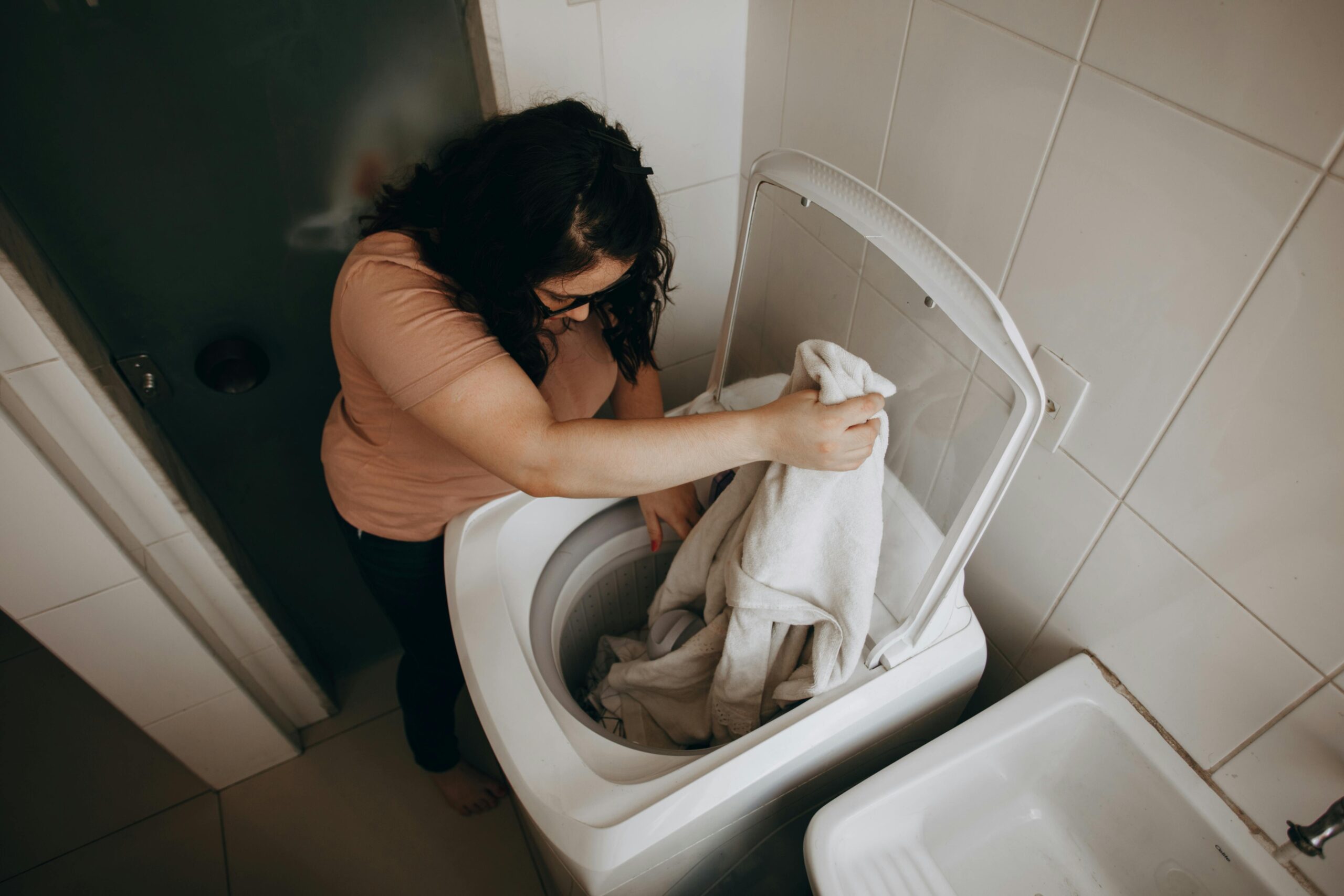
Have you walked down the cleaning aisle lately? Buying household essentials feels more like a luxury shopping spree these days. Between inflation and shrinkflation, those brightly colored plastic jugs of name-brand laundry detergent are quietly eating away at your monthly grocery budget. Dropping $20 or more just to wash your family’s clothes is a tough pill to swallow—especially when a large percentage of that jug is just water and artificial fragrances.
Enter the ultimate frugal hero: baking soda.
That unassuming orange box sitting in the back of your pantry isn’t just for baking cookies or absorbing funky smells in the fridge. Sodium bicarbonate is a natural, non-toxic powerhouse that can completely transform your laundry routine for pennies on the dollar.
Whether you are looking to stretch your current detergent twice as far or want to ditch the expensive commercial brands entirely, this guide has you covered. We are going to break down exactly how to use baking soda as a laundry detergent, why the science behind it works so well on odors and stains, and—most importantly—how much cash this simple swap will keep in your bank account this year. Let’s start saving!
Why Use Baking Soda for Laundry? (The Benefits)
Switching up your laundry routine might feel intimidating, especially if you’re used to the heavy perfumes of commercial brands telling you your clothes are “clean.” But baking soda isn’t just a cheap laundry hack; in many ways, it actually outperforms those expensive liquids and pods.
Here is why adding this frugal staple to your wash is a total game-changer for both your clothes and your wallet:
- Natural Odor Eliminator: Most commercial detergents just mask bad smells with heavy, synthetic fragrances. Baking soda, on the other hand, is an alkaline substance that actually neutralizes the acidic compounds responsible for those stubborn odors. If you struggle with musty towels, sour-smelling gym clothes, or teenager laundry, baking soda will eliminate the funk at the source.
- Water Softening Magic: If you live in an area with hard water, you are likely using way more detergent than you actually need just to get some suds going. Baking soda naturally softens wash water and regulates the pH level. This means your detergent (whether store-bought or a DIY laundry detergent) can do its job much more effectively. The result? Cleaner clothes using a fraction of the soap.
- Gentle on Sensitive Skin: Specialty “Free and Clear” detergents marketed for babies and allergy sufferers often come with a premium price tag. Baking soda is naturally hypoallergenic, making it incredibly gentle on sensitive skin. By using it as a baking soda laundry booster, you can cut down on the harsh chemicals, dyes, and artificial fragrances that cause skin irritation, saving you money on expensive specialty brands.
- Eco-Friendly & Non-Toxic: Frugal living and eco-friendly living often go hand-in-hand. By replacing heavy plastic jugs of chemical-laden detergents with a simple, naturally occurring mineral that comes in a recyclable cardboard box (or compostable bulk bag), you are keeping toxic runoff out of our waterways and plastic out of landfills.
By understanding the science of why it works, it becomes easy to see how this humble powder can replace several expensive laundry products in your cabinet!
Frugal Breakdown: The Cost of Detergent vs. Baking Soda
As a frugal living enthusiast, there is one metric I always look at when evaluating a household switch: cost per load. It is easy to get distracted by flashy sales or digital coupons, but the true test of laundry savings comes down to the math.
Let’s look at the numbers and see exactly why using baking soda as a laundry detergent alternative is a massive win for your budget.
The Numbers: If you are buying a premium liquid detergent or those convenient little laundry pods, you are likely paying anywhere from $0.30 to $0.50 per load. And let’s be honest—most of us are guilty of filling the plastic measuring cup past the recommended line, which means you are actually paying even more per load than the bottle claims!
On the flip side, baking soda is incredibly cheap. When bought in standard grocery store boxes, it costs around $0.10 per load. But when you buy it in bulk, that cost plummets to roughly $0.05 to $0.08 per load.
The Annual Savings: Let’s look at a standard family doing 5 loads of laundry a week (which comes out to 260 loads a year).
- Premium Detergent (at $0.40/load): $104.00 per year
- Bulk Baking Soda (at $0.08/load): $20.80 per year
By making this one simple switch, you are keeping over $80 a year in your pocket. And that doesn’t even factor in the money you’ll save by dropping expensive, chemical-heavy scent boosters and fabric softeners from your shopping list, since baking soda does both of those jobs naturally! That’s easily over $100+ saved annually on a single household chore.
Frugal Pro-Tip: To maximize your savings, skip the tiny 1-pound orange boxes in the baking aisle. Head to a warehouse club like Costco or Sam’s Club, or check the pool/commercial cleaning aisle at your local hardware store. You can usually find massive 13-pound bags of Arm & Hammer baking soda for under $10. Transfer it into a large glass jar or an airtight plastic container in your laundry room for easy scooping!
Ready to make the switch? Let’s talk about the best ways to actually get this powder into your washing machine for maximum cleaning power.
How to Use Baking Soda in the Washing Machine (Step-by-Step)
So, you are ready to slash your laundry budget, but how do you actually make the transition? You can’t just dump a whole box into the washer and hope for the best.
Here are three tested, frugal methods for incorporating baking soda into your laundry routine, depending on how far you want to take your DIY detergent journey.
Method 1: The Laundry Booster (The Half & Half Method)
If you aren’t quite ready to give up your favorite store-bought liquid detergent, this is the perfect gateway hack. By using baking soda as a laundry booster, you can stretch your expensive detergent twice as far.
- Measure Your Detergent: Pour only half the amount of liquid detergent you would normally use for a load.
- Add the Baking Soda: Measure out 1/2 cup of baking soda.
- Load the Washer: Add the baking soda directly into the drum of the washer with your clothes (do not put powder in the liquid dispenser drawer, as it can clog).
- Wash as Normal: The baking soda will soften the water and boost the cleaning power of the small amount of detergent, giving you a superior clean while instantly cutting your detergent budget in half.
Method 2: The Standalone DIY Detergent
Want to stop buying commercial detergent entirely? While baking soda is great, it needs a little help from true soap (surfactants) to actually lift heavy dirt and oils out of fabric. Here is a classic, ultra-cheap DIY laundry detergent recipe that works wonders.
- The Frugal Recipe:
- 1 cup Baking Soda
- 1 cup Washing Soda (Sodium Carbonate – acts as a heavy-duty degreaser)
- 1 bar of grated Fels-Naptha, Zote, or pure castile soap
- Instructions: Finely grate the bar soap and mix it thoroughly with the baking soda and washing soda. Store in an airtight container. Use just 1 to 2 tablespoons per load added directly to the drum. This batch will last you a very long time and costs just pennies to make!
Method 3: The Spot Treatment Paste
Stop wasting money on tiny spray bottles of expensive stain removers. Baking soda makes an incredible, abrasive, and odor-lifting pre-treatment for tough spots, especially ring-around-the-collar, sweat stains, or grease splatters.
- Make a Paste: In a small bowl, mix 3 tablespoons of baking soda with just enough water (about 1 tablespoon) to form a thick paste.
- Apply to the Stain: Gently rub the paste directly into the stained area using your fingers or an old, soft-bristled toothbrush.
- Let it Sit: Allow the paste to sit on the stain for at least 30 minutes, or overnight for deeply set grime.
- Wash: Throw the garment into the wash as usual. The baking soda will lift the stain and neutralize any lingering odors.
Pro-Tip: For heavy grease stains, mix a drop of cheap dish soap (like Dawn) into your baking soda paste. The dish soap cuts the oil while the baking soda lifts it from the fabric fibers!
Important Warnings: When NOT to Use Baking Soda
As much as the frugal community loves to champion baking soda as a miracle cleaner, we have to stay grounded in reality. It is a fantastic tool, but it is not a magic wand for every single item in your closet. Because of its alkaline nature (it has a pH of about 9), there are a few situations where you should keep the baking soda out of your washing machine to avoid ruining your clothes.
Here is what you need to know to protect your wardrobe while saving money:
- Avoid Delicate, Protein-Based Fabrics: Natural protein fibers are sensitive to high pH levels. Washing them with baking soda can strip away their natural oils, leaving them brittle, stiff, and prone to breaking. Do not use baking soda on:
- Wool
- Cashmere
- Silk
- Leather or suede
- Instead, stick to a gentle, pH-neutral detergent designed specifically for delicates to protect your investment in these pricier garments.
- The Great Vinegar Myth: If you spend any time on DIY cleaning blogs, you have probably seen recipes that tell you to mix baking soda and white vinegar together to clean your clothes. Stop doing this! It might look cool when it fizzes up like a middle school volcano science project, but you are actually just wasting money.
- The Science: Baking soda is a base and vinegar is an acid. When you mix them at the same time, they neutralize each other. You are essentially just washing your clothes with slightly salty water.
- The Fix: If you want to use both of these frugal powerhouses in the same load, you have to separate them. Put your baking soda in the wash cycle to clean and deodorize. Then, put white vinegar in the rinse cycle (usually via the fabric softener dispenser) to strip away any remaining mineral residue and naturally soften the clothes.
- Dark Clothes and Residue: While baking soda actually helps protect the color of dark clothes by neutralizing chlorine in the water, it can leave a white, powdery residue if it doesn’t dissolve completely. This usually only happens if you use too much baking soda or if you are washing with extremely cold water. If you notice a white film on your dark jeans, simply run an extra rinse cycle, and next time, try dissolving the baking soda in a cup of warm water before adding it to the cold wash.
Now that we have the safety rules down, let’s wrap this up with a quick look at some of the most common questions people have about making the switch!
Frequently Asked Questions (SEO “People Also Ask”)
When making the switch to a DIY or highly frugal cleaning routine, it is completely normal to have a few hesitations. Here are the most common questions people ask before tossing that orange box into their washing machine.
Can you wash clothes with just baking soda?
Yes and no. If you have a load of lightly worn clothes that just need a quick refresh to remove odors (like a shirt you wore to a smoky campfire), a half cup of baking soda in the wash will do the trick perfectly. However, baking soda does not contain surfactants—the soapy ingredients that actively grab onto heavy grease, oil, and dirt to pull them out of fabrics. For heavily soiled clothes, you still need a small amount of detergent or a true soap (like the grated Fels-Naptha in our DIY recipe) to get things fully clean.
Will baking soda fade dark clothes?
Actually, the opposite is true! Baking soda can help keep your dark clothes looking vibrant. Tap water often contains trace amounts of chlorine, which acts as a mild bleach and fades dark fabrics over time. Baking soda naturally neutralizes this chlorine. If your dark clothes look a little chalky after washing, it isn’t fading—it is just undissolved baking soda residue. Simply re-rinse the garment and use warmer water or a bit less powder next time.
Can baking soda ruin your washing machine?
No, baking soda is incredibly safe for both standard and high-efficiency (HE) washing machines. Unlike commercial liquid fabric softeners, which coat the inside of your machine in a thick, waxy buildup that traps mold and mildew, baking soda dissolves cleanly in water. It actually acts as a mild abrasive that cleans your washer drum and deodorizes the machine while it washes your clothes! Just remember to always put the powder directly into the drum, never into the liquid detergent dispenser drawer, where it can clump and cause a clog.
Conclusion: The Smart, Frugal Swap
When it comes to frugal living, the biggest wins often come from the smallest, simplest changes. By rethinking how you approach laundry day, you can stop throwing your hard-earned cash at expensive, chemical-laden detergents that are mostly just water and perfume anyway.
Baking soda is proof that you don’t need a massive grocery budget to keep your family’s clothes smelling fresh, feeling soft, and looking incredibly clean. Whether you use it as a laundry booster to stretch your current detergent twice as far, or you go all-in on making your own cheap DIY laundry powder, this pantry staple is a true heavy hitter. At roughly $0.05 to $0.08 a load, it is a budget-friendly powerhouse that will effortlessly shave over $100 off your household expenses this year.
Now it’s your turn! Have you ever tried using baking soda in your laundry routine, or do you have a favorite frugal stain-fighting hack of your own? Drop your tips in the comments below—I love hearing how you all save money! And if you want more budget-slashing household hacks delivered straight to your inbox, don’t forget to subscribe to the newsletter. Happy washing!



Leave a Reply