
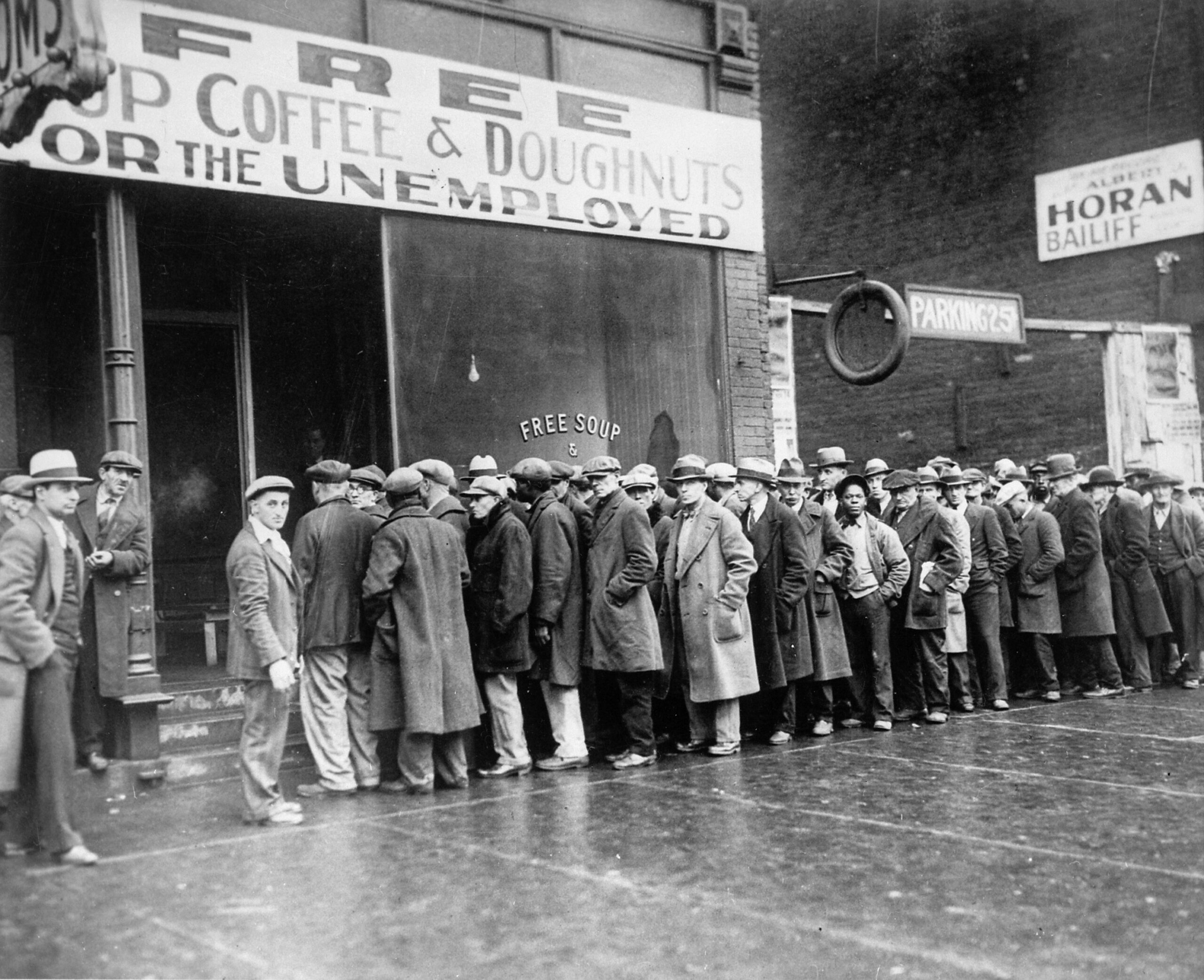
In an era of rising costs and “subscription fatigue,” old-school frugality is making a massive comeback. During the 1930s, families survived the Great Depression through sheer resourcefulness—a skill set that is more relevant in 2026 than ever before. By adopting these ten “ancestral” habits, you can reduce waste, reclaim your budget, and live a more intentional life.
1. The Art of Resourcefulness: “Make Do or Do Without”
During the 1930s, nothing was discarded if it could be mended. This wasn’t a trend; it was a survival strategy.
- Kitchen Scraps to Liquid Gold: Don’t toss vegetable peels or chicken bones. Store them in a freezer bag and simmer them once a week to create a nutrient-dense homemade broth. This saves roughly $4–$6 per carton.
- Upcycled Storage: Instead of buying expensive plastic bins, reuse glass jars from pickles or sauces. They are non-toxic, airtight, and give your pantry a “zero-waste” aesthetic for free.
- Visible Mending: Instead of replacing worn clothes, try Sashiko (Japanese functional embroidery). It turns a hole into a design feature, extending a garment’s life by years.
2. The Modern Victory Garden: Grow Your Own Assets
Self-reliance was a necessity in the 30s. Today, you don’t need an acre of land to slash your grocery bill.
- Windowsill Herbs: Growing basil, cilantro, and rosemary can save you $15 per month.
- Vertical Gardening: If you’re in a 2026 micro-apartment, use vertical planters for “high-ROI” crops like cherry tomatoes or peppers.
- DIY Staples: Learning to bake a basic loaf of bread or making non-toxic cleaners (vinegar and citrus peels) reduces reliance on inflated “name-brand” chemicals.
3. Low-Cost Entertainment: Reclaiming the Commons
In the 1930s, joy didn’t require a login. Families found happiness in community and simple, free activities.
- The Library “Life Hack”: Modern libraries offer more than books. Most now provide free streaming (via Hoopla or Kanopy), museum passes, and “Libraries of Things” where you can borrow power tools or high-end kitchen gear for free.
- Host a “Skill-Share” Potluck: Instead of a $100 night out, host a game night. The “cost of entry” is one dish and one useful tip or skill shared with the group.
4. Master the “Envelope” Budgeting System
“Every penny counts” was a literal rule. Many families divided cash into physical envelopes for rent, food, and fuel to prevent overspending.
- Digital Sinking Funds: If you don’t use cash, use “Buckets” in your banking app to wall off essential funds the moment your paycheck hits.
- The 72-Hour Rule: To combat the “one-click” buy culture of 2026, implement a mandatory 3-day cooling-off period for all non-essential purchases.
5. Community Bartering and “Buy Nothing” Groups
When cash was scarce, people traded skills. This built neighborhood bonds that outlasted the economic downturn.
- The “Buy Nothing” Revolution: Join local community gift economies. These are modern bartering systems where neighbors give away everything from furniture to baby gear for free.
- Skill Swapping: Trade two hours of your professional skills (like accounting or editing) for a neighbor’s help with car repairs or plumbing.
| Frugal Habit | Est. Monthly Savings | Modern Equivalent |
| Line Drying | $15–$25 | Indoor Drying Racks |
| Meatless Days | $40–$60 | Lentil/Bean Proteins |
| Pantry Audits | $50+ | “Use It Up” Challenge |
6. Practice “Meatless Mondays” (and Tuesdays)
In the 1930s, meat was a luxury. Families stretched protein by using beans, lentils, and eggs.
- The 2026 Twist: With the cost of beef and poultry at record highs, swapping animal protein for legumes just twice a week can slash your food budget by 20%. Lentils are “shelf-stable gold” that provide the same satiety for a fraction of the price.
7. The “Use It Up” Challenge
Depression-era cooks performed a “pantry audit” before every shopping trip. They wouldn’t buy more until every scrap was utilized.
- The Pantry Challenge: Dedicate the last four days of the month to a “No-Shop Zone.” Use your canned goods, frozen veggies, and grains to create “Kitchen Sink” meals. It prevents waste and uncovers “hidden” money in your cupboards.
8. Line Dry Your Clothes
Electric dryers are among the most energy-hungry appliances. In the 1930s, the sun and wind did the work for free.
- Fabric Longevity: Beyond the energy savings, line drying prevents the heat damage that destroys elastic and fibers. Your clothes will last twice as long, saving you hundreds in replacement costs.
9. Adopt a “Capsule” Wardrobe
People in the 1930s had fewer clothes, but they were of higher quality and repaired often.
- End Fast Fashion: Instead of buying cheap, disposable trends, focus on 20–30 high-quality, interchangeable pieces. It reduces “decision fatigue” and ends the cycle of constant, low-value spending.
10. Become a “YouTube University” Apprentice
During the Great Depression, calling a professional was a last resort. People learned to fix their own faucets and patch their own roofs.
- DIY or Die (Your Budget): Most basic home maintenance—changing a cabin air filter, fixing a running toilet, or patching drywall—can be learned via a 10-minute video. Saving a $150 service fee is pure profit in your pocket.
Final Thought: Frugality is Freedom
Frugality isn’t about deprivation; it’s about intentionality. By looking back at the lessons of the 1930s, we can navigate the inflation of 2026 with confidence, resilience, and a much heavier wallet.


Leave a Reply